How to Price a Luxury Home Correctly
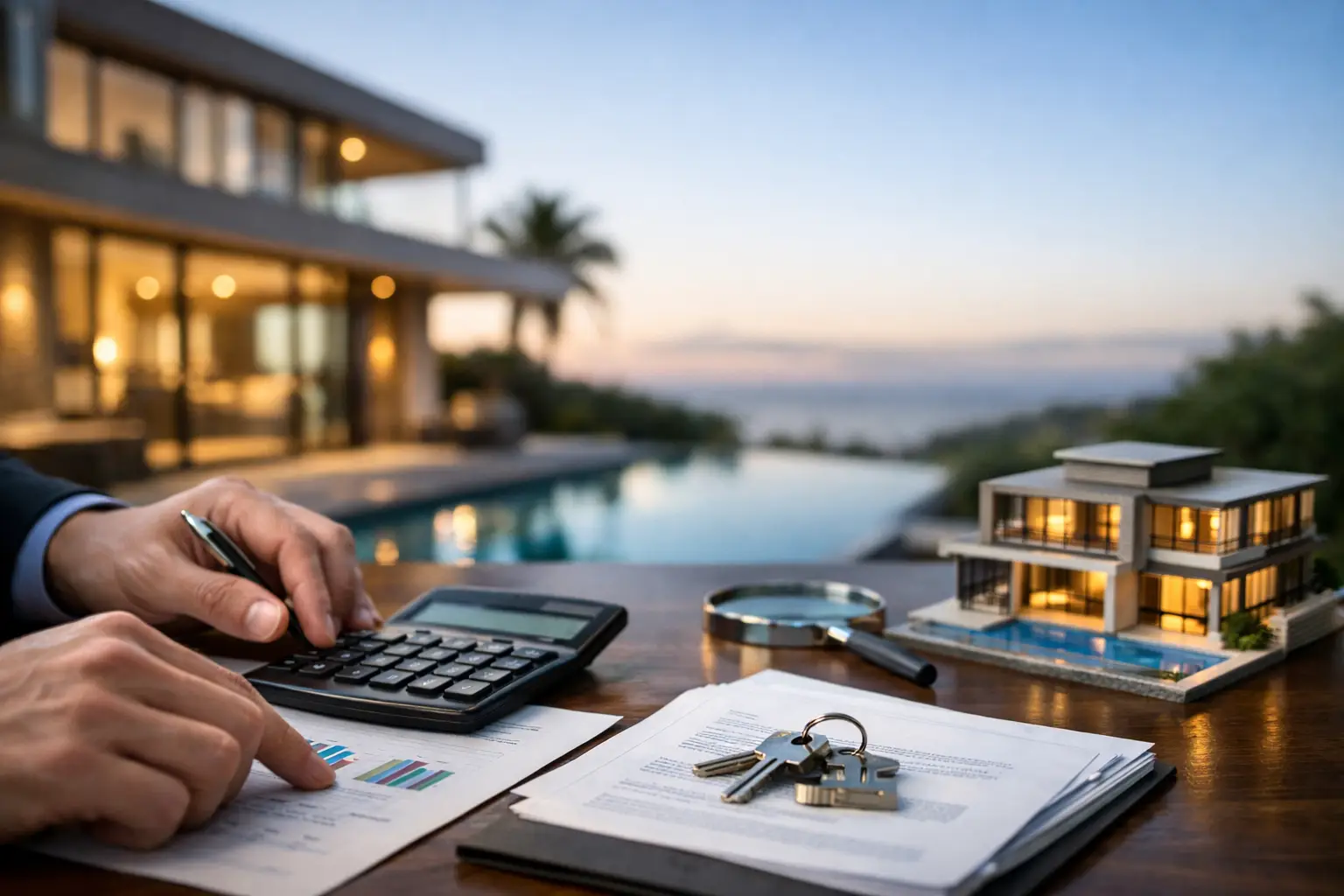
A luxury home can generate immediate interest, quiet hesitation, or months of costly stagnation based on one decision made before it ever hits the market: price. If you want to know how to price a luxury home, the answer is not simply to look at square footage, add upgrades, and choose a number that feels premium. In Boca Raton, Delray Beach, Highland Beach, and surrounding South Florida markets, pricing at the high end requires a sharper strategy.
Luxury pricing is part market science, part buyer psychology, and part positioning. At this level, the margin for error is larger in dollars and smaller in buyer tolerance. A home priced too low may leave money on the table. A home priced too high can lose momentum, create doubt, and ultimately sell for less than it might have with a stronger launch.
Why luxury homes require a different pricing strategy
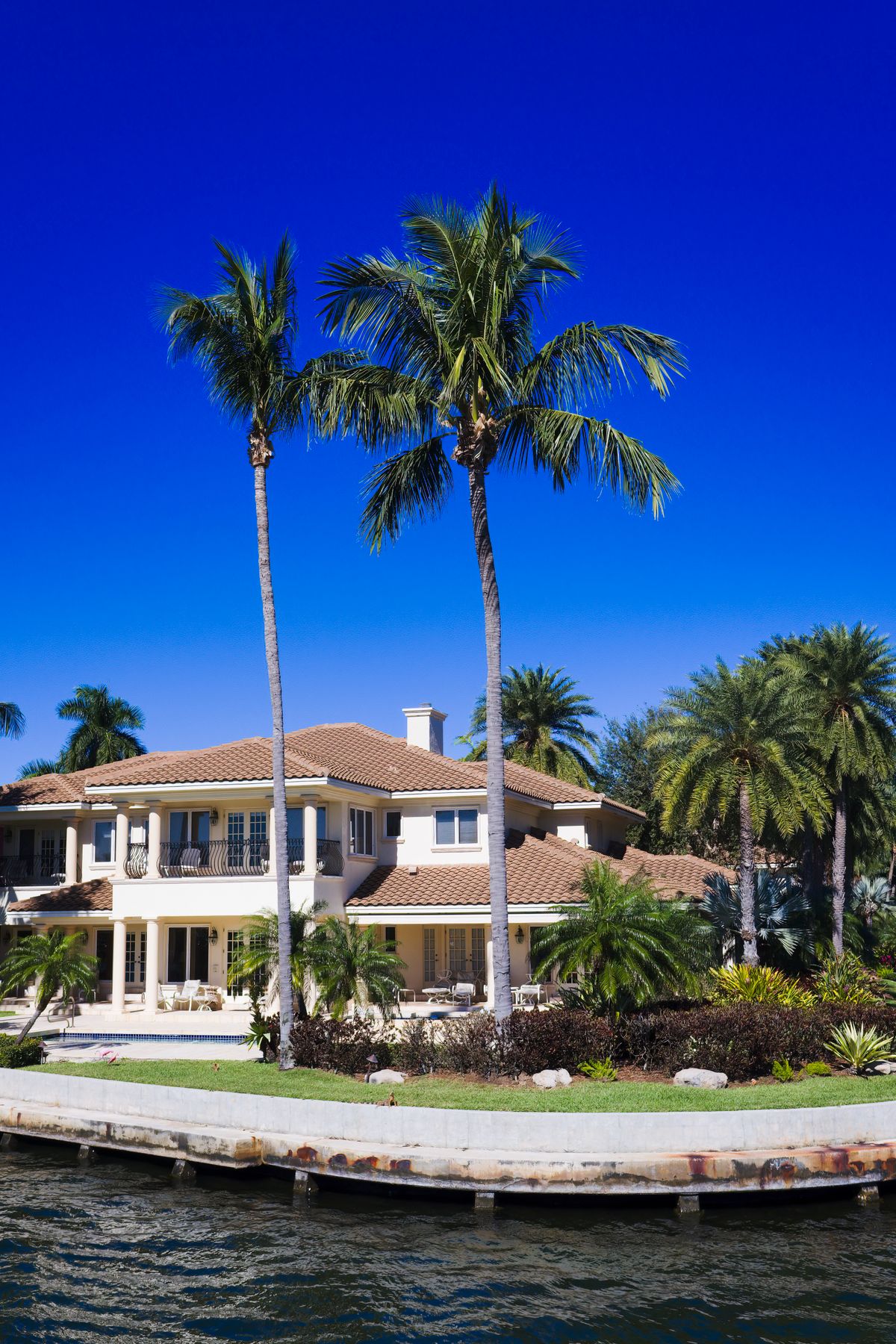
Entry-level and mid-range homes often benefit from a large buyer pool and more obvious comparable sales. Luxury properties are different. The inventory is thinner, the features are more individualized, and the buyers are more selective. Waterfront exposure, a private dock, golf course frontage, new construction quality, architectural pedigree, and even the orientation of outdoor living spaces can materially affect value.
That is why a luxury home cannot be priced with a basic online estimate or a broad average price per square foot. Those tools may offer a rough reference point, but they do not capture scarcity, design quality, or how elite buyers compare one home against a short list of alternatives.
In the upper tiers of the market, buyers are not just purchasing bedrooms and bathrooms. They are purchasing location, privacy, lifestyle, status, convenience, and confidence that the asset is worth the price being asked.
How to price a luxury home with real market evidence
The foundation of pricing is still the market, but the right data matters more than the amount of data. In luxury real estate, comparable sales should be genuinely comparable, not just nearby and vaguely similar.
A proper pricing review looks at recent closed sales first, because they show what buyers were actually willing to pay. But active listings matter too, because they represent your current competition. Pending sales can also be revealing, especially when inventory is limited, because they show where buyers are moving right now even if final sale prices are not yet public.
The challenge is that two homes in the same neighborhood may live in completely different pricing lanes. A renovated waterfront estate with modern finishes and a resort-style outdoor area should not be benchmarked against an older interior-lot property that needs updating. Likewise, a custom contemporary in East Delray will appeal to a different buyer than a Mediterranean home in a gated country club community, even if both are substantial residences.
The goal is not to justify the highest possible price. The goal is to identify the price range where serious buyers will see the home as compelling, credible, and worth acting on.
Price per square foot is only a starting point
Luxury sellers often ask about price per square foot, and it can be useful as one reference point. But at the top of the market, it is often a blunt instrument.
Not all square footage carries equal value. Water views, ceiling height, floor plan flow, level of finish, guest house configuration, lot depth, and outdoor entertaining space all influence what buyers will pay. In many cases, the smaller but fully renovated home in a premier location can command more per square foot than a larger home with dated interiors or functional compromises.
This is especially true in South Florida, where outdoor living, storm protection, boating access, and walkability to clubs, beaches, or downtown districts can shift value significantly.
Buyer psychology matters more than many sellers expect
Luxury buyers are sophisticated. They watch the market, compare options closely, and recognize when a property feels overpriced. Once that perception sets in, it can be difficult to reverse.
A price reduction does not always fix the issue. Sometimes it signals that the initial pricing was disconnected from the market. Buyers may begin to ask what has been overlooked or why the home has not sold. The longer a property sits, the more negotiating power tends to move to the buyer.
That early launch window matters. The first days and weeks on market are when your listing is freshest, most visible, and most likely to attract motivated attention. Pricing correctly from the start gives your marketing the best chance to perform. It creates urgency instead of skepticism.
This is where experience matters. Knowing how buyers in specific luxury segments respond to pricing is just as important as knowing the numbers.
The right price depends on the home's position in the market
Some luxury homes are clear category leaders. They are fully updated, highly desirable, and difficult to replicate. Those homes may justify stronger pricing because they offer something rare.
Others are attractive but face direct competition. In that case, pricing must account for what else a buyer can purchase at the same level. If a competing listing offers newer finishes, better water access, or a more turnkey presentation, your price has to reflect that difference.
There are also properties with a narrower buyer pool. Highly customized design, unconventional layouts, oversized footprints, or very specific locations can reduce the number of likely buyers. That does not mean the home lacks value. It means pricing should reflect how long it may take to find the right person.
A strategic advisor looks at all of this through the lens of marketability, not just aspiration.
Timing changes the pricing conversation
Seasonality, interest rate shifts, inventory levels, and regional demand all affect pricing strategy. South Florida luxury real estate often benefits from relocation activity, second-home demand, and seasonal surges, but those forces are not constant.
If inventory is tight and qualified buyer activity is strong, sellers may have more room to price assertively. If the market is crowded with similar homes, pricing discipline becomes more important. Even a standout property has to compete for attention.
Timing also affects negotiation strategy. A seller who needs a quicker result may price closer to the most active part of the market. A seller with flexibility may choose to test the upper end of a supportable range, but only if the home, presentation, and marketing justify it.
Presentation and pricing work together
Luxury pricing cannot be separated from how the property is presented. The same home can command different buyer responses depending on photography, staging, video, ad targeting, and overall listing quality.
If a home is going to enter the market at a premium price point, the presentation has to support that number. Buyers in this category expect polished visuals, strong digital exposure, and a listing narrative that explains why the property is special. Weak presentation can make even a well-priced home feel underwhelming.
This is one reason sellers benefit from working with a team that understands both valuation and luxury marketing. Price is not just a figure on paper. It is part of a broader positioning strategy.
For many sellers, that means pairing detailed market analysis with a launch plan designed to reach qualified buyers locally, nationally, and internationally. At Alex Mendel Group, that combination of market intelligence and digital marketing strategy is central to how luxury listings are brought to market.
Common mistakes when pricing a luxury home
The most common mistake is pricing based on what the seller wants to net rather than what the market supports. Financial goals matter, but they do not set value.
Another mistake is relying too heavily on outdated comparable sales. In a shifting market, a sale from nine or twelve months ago may not reflect current buyer behavior.
Some sellers also overvalue improvements without considering whether those upgrades align with what today's buyers actually prioritize. A major renovation can add meaningful value, but not always dollar for dollar. Taste, quality, and relevance all matter.
Finally, some homes are priced with negotiation room that is simply too wide. Buyers can usually sense when a seller has built in an unrealistic cushion. Instead of encouraging offers, it may prevent them.
What sellers should do before setting a list price
Before setting a final number, review the home's strengths and vulnerabilities honestly. Look at direct competition. Evaluate recent luxury sales with adjustments for condition, location, lot, view, and amenities. Consider your timing, your goals, and the likely buyer profile.
Then ask a more useful question than, what is my home worth? Ask, at what price will this home attract the strongest response from the right buyers without sacrificing value?
That question tends to produce better outcomes because it balances price with market behavior. In luxury real estate, that is where successful pricing lives.
A well-priced luxury home does not chase the market, and it does not apologize for its value. It enters with clarity, credibility, and a strategy strong enough to earn serious attention from serious buyers.
Categories
- All Blogs (531)
- Blog (350)
- Boca Raton (15)
- Boca Raton Market Reports (4)
- Buying Your Boca Raton Home (37)
- Buying Your Delray Beach Home (26)
- Knowing Boca Raton (16)
- Knowing Delray Beach (7)
- Luxury Real Estate (2)
- Market Report (7)
- Moving to Boca Raton (37)
- Moving to Delray Beach (27)
- Neighborhood (4)
- Selling your Boca Raton Home (17)
- Selling your Delray Beach Home (12)
Recent Posts