Luxury Home Selling Process Guide

A luxury home selling process guide should start with one reality: high-end properties do not sell well with a standard playbook. At the $1.5M+ level, buyers are more selective, marketing has to work harder, and small mistakes in pricing, presentation, or negotiation can cost meaningful money.
Luxury sellers usually care about two things at once. They want the highest realistic net proceeds, and they want the process handled with discretion, speed, and very little friction. Those goals can work together, but only when the sale is managed strategically from day one.
What makes the luxury home selling process different
Luxury real estate is less forgiving than the broader market. Buyer pools are smaller, expectations are higher, and the details buyers notice are often the ones that never show up on a basic checklist. A waterfront estate, a country club residence, or a downtown luxury condo may all sit in the same price bracket, but they appeal to very different buyers and require different positioning.
That is why the luxury home selling process guide most sellers actually need is not a generic list of tasks. It is a sequence of decisions. How should the home be priced relative to recent private sales, current competition, and buyer psychology? Which improvements will produce a return, and which are unlikely to matter? How should the property be introduced so it feels rare, not merely expensive?
In the luxury segment, perception affects value. The wrong photography, uneven staging, or a launch that lacks momentum can make an exceptional property feel ordinary. Once that happens, sellers often end up chasing the market instead of leading it.
Step 1: Start with pricing discipline, not optimism
Pricing is where many luxury sales either gain leverage or lose it. Sellers often know what they want to net, but the market does not price homes around a seller's target. It prices around perceived value, available alternatives, and how confidently buyers believe the property will trade.
A strong pricing strategy looks beyond simple comparable sales. In luxury neighborhoods and niche communities, no two properties are perfectly alike. Lot orientation, water frontage, renovation quality, ceiling height, floor plan flow, club membership implications, and even architectural pedigree can materially change value. Price per square foot can be useful, but by itself it is not enough.
There is also a trade-off between testing the market and entering with conviction. Occasionally, a unique home can justify aspirational pricing. More often, an inflated launch reduces urgency, weakens showing activity, and leads to price reductions that make buyers wonder what is wrong. The first two to three weeks matter disproportionately because that is when a new listing receives the most attention from active buyers and agents.
Step 2: Prepare the property for the right buyer
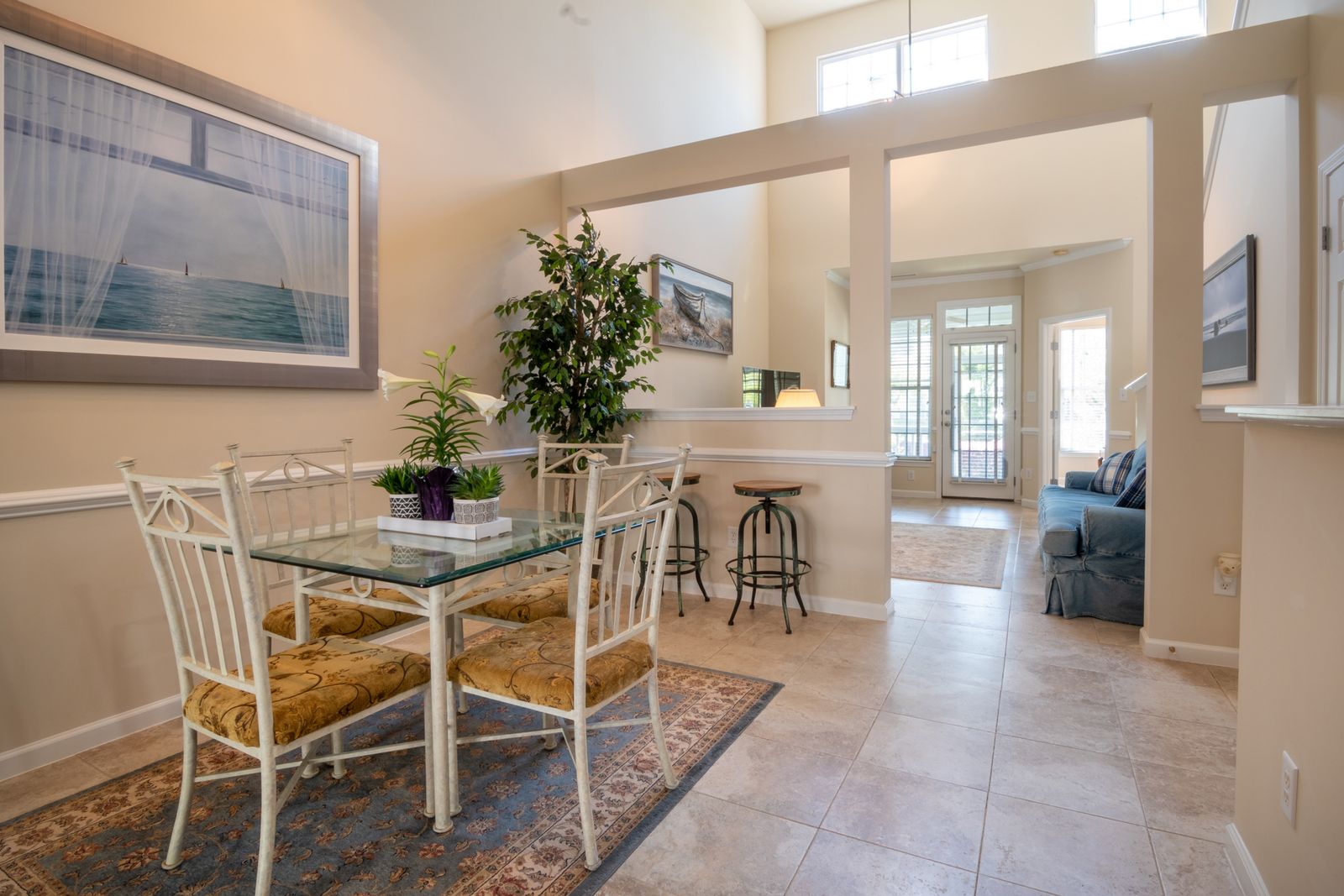
Luxury preparation is not about making a home look generic. It is about presenting it so the target buyer immediately understands the value. That may mean refined staging, selective updates, professional organization, landscape refreshes, lighting improvements, or minor cosmetic work that elevates the home's tone without erasing its character.
Some sellers over-improve before listing. Others underinvest and assume the buyer will "see the potential." Both approaches can be expensive. The right answer depends on the home's condition, the competing inventory, and the type of buyer most likely to purchase it. A fully renovated intracoastal residence attracts a different response than a well-located home with renovation upside.
In many cases, the best pre-listing work is highly selective. Fresh paint in the right color palette, hardware updates, polished stone, repaired millwork, and a deep detail cleaning can change how buyers perceive quality. For occupied homes, editing personal items and reducing visual noise matters as much as any repair. The goal is clarity, not sterility.
Step 3: Build a launch strategy before the home goes live
Luxury buyers often form an opinion before they ever schedule a showing. That makes pre-launch planning critical. Photography, video, floor plans, copywriting, audience targeting, and timing all need to be aligned before the listing is introduced.
This is where many high-end properties underperform. If the listing goes live before the visuals are ready, if the copy reads like every other listing, or if the digital campaign starts late, the property can lose momentum immediately. Luxury marketing should create context around the home, not just display rooms. Buyers need to understand the experience of the property, the privacy it offers, the scale, the finishes, and what makes the location desirable.
For some homes, broad exposure is the right move. For others, a more controlled strategy with discretion built in may be appropriate, especially when privacy is a priority. It depends on the seller's goals, the profile of the likely buyer, and the level of uniqueness in the offering.
Step 4: Market with precision, not just volume
Exposure matters, but qualified exposure matters more. A luxury home can generate plenty of views and still miss the buyer most likely to pay top dollar. Effective marketing should combine presentation with targeting.
That often means a layered campaign. Professional imagery and strong listing syndication are only the baseline. Paid digital advertising, email promotion, direct outreach to agents with matching buyers, social content tailored to affluent audiences, and follow-up systems that capture and qualify interest all play a role. The objective is not noise. It is to create enough concentrated attention that the home feels relevant to the right audience at the right time.
This is one reason team-based execution can be valuable. Selling a luxury property today often requires more than one agent trying to do everything alone. Design, media, data, negotiation, and transaction management all affect the final outcome.
Luxury home selling process guide for showings and feedback
Showings at the luxury level are not only about access. They are about experience. The property should feel calm, polished, and easy to understand. Lighting, temperature, scent, music, and readiness all matter because buyers at this price point are not just evaluating square footage. They are evaluating how the home makes them feel.
Feedback also needs interpretation. Not every comment deserves a reaction, and not every quiet week means a pricing problem. Sometimes the issue is buyer timing. Sometimes it is the presentation. Sometimes the market is signaling that the home is priced slightly above where buyers see value. A disciplined review process helps separate meaningful patterns from random opinions.
If showing activity is healthy but offers are not coming, the obstacle may be confidence. Buyers may like the home but not love the number. If activity is low from the start, the market may be rejecting the positioning more broadly. Those are different problems and should be handled differently.
Step 5: Negotiate beyond price alone
In luxury transactions, the strongest offer is not always the highest number. Terms matter. Closing timeline, deposit strength, financing structure, inspection expectations, appraisal exposure, occupancy needs, furnishings, and repair requests can all affect a seller's net outcome and stress level.
This is where experience becomes visible. A skilled negotiator knows when to push, when to create leverage between competing parties, and when a clean offer with strong terms is worth more than a nominally higher price. The contract phase should protect both value and certainty.
Luxury negotiations also tend to involve more nuance. Buyers may request credits tied to cosmetic preferences, seek concessions based on comparable inventory, or test a seller's flexibility after inspections. The wrong response can either kill a viable deal or give away too much too quickly.
Step 6: Manage the transaction tightly through closing
A signed contract is progress, not the finish line. Luxury deals can become vulnerable during inspections, appraisal review, condo or HOA document review, title work, and logistical coordination. Homes with docks, elevators, generators, smart systems, custom features, or extensive improvements often require more documentation and more proactive communication.
This stage rewards organization. Service records, permits when applicable, upgrade lists, utility details, and vendor contacts should be assembled early. If the property is in a gated or club community, expectations around approvals, disclosures, fees, or membership structures should be clarified well before they become a closing issue.
Sellers also benefit from planning for the move itself. If the sale depends on timing around another purchase, a leaseback, storage solution, or coordinated closing schedule may need to be negotiated in advance rather than at the last minute.
When alternative selling options make sense
Not every seller wants the full traditional listing route. Some value certainty and speed over maximizing every last dollar, especially if the home needs work, privacy is a concern, or a transition timeline is compressed.
That is where alternatives such as a cash offer program, pre-listing funding for strategic improvements, or a guaranteed sale structure can be worth evaluating. These options are not automatically better, and they are not ideal for every property. But for the right seller, they can reduce disruption and create a more controlled path forward. The key is understanding the trade-off between convenience, timing, and likely net proceeds.
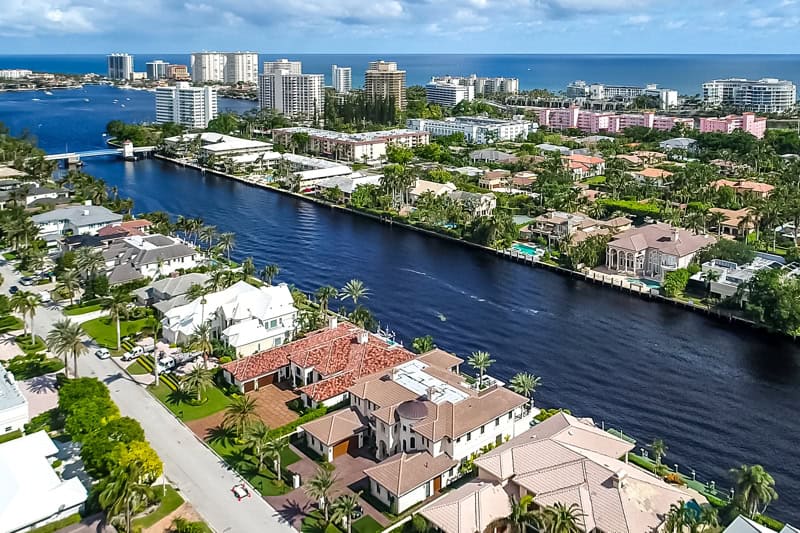
For sellers in South Florida's luxury market, the process tends to reward preparation more than improvisation. When pricing is grounded, presentation is intentional, marketing is targeted, and negotiation is handled with discipline, a sale can feel far more controlled than most homeowners expect. That is the standard our team believes luxury clients should be able to expect from the start.
Categories
- All Blogs (528)
- Blog (350)
- Boca Raton (12)
- Boca Raton Market Reports (4)
- Buying Your Boca Raton Home (37)
- Buying Your Delray Beach Home (26)
- Knowing Boca Raton (16)
- Knowing Delray Beach (7)
- Luxury Real Estate (2)
- Market Report (5)
- Moving to Boca Raton (37)
- Moving to Delray Beach (27)
- Neighborhood (2)
- Selling your Boca Raton Home (17)
- Selling your Delray Beach Home (12)
Recent Posts