Top Upgrades Before Selling a Luxury Home

A luxury home does not need a full renovation to command a stronger price. The top upgrades before selling a luxury home are the ones that improve first impressions, photograph beautifully, and remove the questions a qualified buyer may have about maintenance, design, or lifestyle. The right plan protects your budget while making the property feel current, cared for, and worth its position in the market.
For a $1.5 million-plus property in Boca Raton, Delray Beach, Highland Beach, or nearby South Florida markets, buyers generally expect quality from the moment they arrive. They also notice when an owner has spent heavily in the wrong places. A strategic pre-listing review should identify the improvements that support the home's price range, architecture, location, and likely buyer profile, rather than treating every update as equally valuable.
Start With the Upgrades Buyers See First
Luxury buyers make an early emotional assessment before they study finishes or compare price per square foot. The exterior, arrival experience, and entry set the standard for everything that follows. If the property feels neglected at the curb, buyers may assume the same about the roof, systems, pool, or structure.
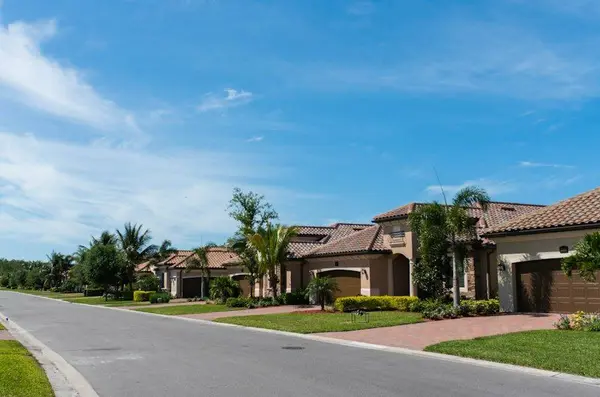
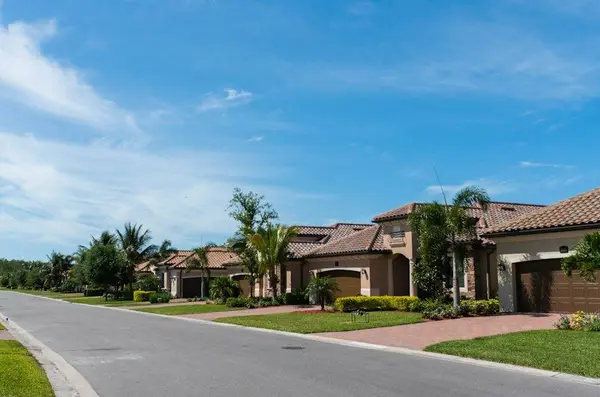
Fresh exterior paint can be highly effective when the existing color is dated, faded, or inconsistent with the home’s architectural style. In South Florida, pressure cleaning, refinishing pavers, refreshing exterior lighting, trimming landscaping, and restoring a clean pool deck can create a similarly meaningful change at a more controlled cost. Mature landscaping is an asset, but it needs definition. Remove overgrowth, replace tired plant material selectively, and ensure the front elevation is visible from the street.
The entry deserves its own attention. A refinished or updated front door, polished hardware, clean glass, and well-scaled lighting make a property feel considered. For waterfront estates and homes in gated or country club communities, this initial presentation reinforces the privacy, quality, and service level buyers expect.
Focus on Kitchens and Baths, but Avoid Overbuilding
Kitchens and primary baths remain the rooms most likely to influence a luxury buyer’s perception of value. That does not always mean a complete teardown is the best answer.
If a kitchen’s layout works and its cabinetry is high quality, targeted improvements may produce a better return than replacement. New countertops, a refined backsplash, updated hardware, modern pendants, and coordinated appliances can shift the room from dated to polished. Where appliances are being replaced, choose a suite that fits the home’s price point and kitchen design. A high-end appliance package can be persuasive, but it should not look out of place in a kitchen with older cabinetry or worn flooring.
Primary baths should feel calm, bright, and functional. Replace visibly dated fixtures, damaged vanities, discolored grout, and tired mirrors. Improving lighting is often an overlooked win, especially where a bath has limited natural light. Frameless shower glass, current plumbing fixtures, and fresh neutral finishes can make a substantial difference without forcing a full-scale remodel.
There is a trade-off. A seller who installs highly personal stone, dramatic cabinetry, or a niche fixture palette may narrow appeal. Neutral, warm, architectural choices usually allow buyers to imagine adding their own style after closing. Before committing to a major renovation, compare the likely resale lift to the project’s cost and timeline. In some cases, pricing accurately and presenting the existing space impeccably is the more disciplined decision.
Do not overlook the supporting spaces
A luxury home is judged as a complete experience. Fresh paint in hallways, clean baseboards, updated interior door hardware, repaired flooring transitions, and organized closets help the entire residence read as well maintained. Laundry rooms, pantries, garages, and storage areas may not be the headline features, but disorder or deferred maintenance in these spaces can undermine confidence.
Make Outdoor Living Feel Like an Extension of the Home
In Palm Beach and Broward County, outdoor living is part of the property’s value proposition, not an optional extra. Buyers respond to spaces that are ready for relaxed entertaining, quiet mornings, and year-round use.
Begin with condition. Resurface or repair a pool if needed, address cracked coping, clean waterline tile, service equipment, and ensure screens, gates, drains, and irrigation are functioning properly. A pool inspection issue discovered late in a transaction can become a costly negotiating point, so resolving known concerns before launch can protect both momentum and net proceeds.
Then consider the experience. Refresh outdoor cushions, stage dining and lounge areas, update worn ceiling fans or sconces, and make sure landscape lighting highlights the pool, patio, and key architectural details after sunset. An outdoor kitchen can add appeal when it is in poor condition or incomplete, but a large new installation is not automatically the highest-return investment. It depends on the neighborhood, lot size, and how buyers use comparable homes.
Waterfront sellers should pay close attention to dock condition, seawall maintenance, lighting, and clear access to the water. These elements are not cosmetic upgrades. They are central to the value and usability of a waterfront property, and sophisticated buyers will evaluate them carefully.
Update Lighting, Paint, and Smart-Home Essentials
Few improvements change a home’s photography and showing experience as efficiently as lighting and paint. Replace dated chandeliers or ceiling fans that compete with the architecture, repair recessed lighting, and use consistent bulb temperatures throughout the home. Bright, flattering light helps rooms feel larger and highlights finishes accurately.
Interior paint should create continuity. Neutral does not need to mean sterile. Soft whites, warm taupes, and restrained natural tones tend to complement South Florida light and allow furnishings, art, and views to take the lead. Bold feature walls can work in a well-designed setting, but patchy touch-ups, scuffed paint, and inconsistent colors should be addressed before photography.
Smart-home features are increasingly expected, particularly in newer luxury communities and renovated properties. Prioritize systems that offer practical convenience: a reliable smart thermostat, integrated security, video doorbell, automated shades where appropriate, and simple exterior lighting controls. Confirm that every system works and that remotes, apps, manuals, and access information are organized for the next owner.
Avoid adding technology simply to advertise a feature. A complicated system with unclear controls can feel like a future service call rather than a benefit. Reliability matters more than novelty.
Invest in Repairs Before Cosmetic Extras
A beautiful listing loses leverage when buyers discover roof concerns, HVAC issues, window leaks, electrical deficiencies, or neglected pool equipment. In a luxury transaction, inspection findings can influence not only repair requests but also the buyer’s confidence in the entire property.
Complete a pre-listing maintenance review with qualified professionals when there are known concerns or when major systems are approaching a typical replacement window. Address obvious defects, gather service records, and retain invoices for recent work. This creates a more credible story around stewardship of the home and gives the listing team better information when responding to buyer questions.
For condominiums, sellers should also review building-related documentation early. Association applications, current assessments, renovation rules, pet policies, and parking details can affect a buyer’s decision-making timeline. Clear information allows the property’s lifestyle and finishes to remain the focus.
Let the Market Determine the Scope of Work
The most profitable pre-sale upgrade is not necessarily the most expensive one. It is the improvement that closes the gap between your home and the properties buyers will compare it against.
A dated home in a premier location may justify thoughtful updates because the underlying land value, views, or community access are already compelling. Conversely, a fully renovated home should not be repeatedly upgraded just to chase a moving design trend. The objective is to compete at the top of the relevant buyer set, not to recover every dollar spent on construction.
Our team evaluates this through local comparable sales, active competition, buyer feedback patterns, property condition, and the expected list-price range. We also consider timing, construction disruption, and whether pre-listing funding may help a seller complete high-impact work without delaying their broader plans. The Alex Mendel Group approaches each recommendation as a pricing and marketing decision, not a generic renovation checklist.
Before selecting finishes or approving a contractor, look at the home through the eyes of a buyer seeing it for the first time. The strongest upgrades make the property easier to trust, easier to photograph, and easier to picture enjoying from day one.
Categories
- All Blogs (550)
- Blog (350)
- Boca Raton (34)
- Boca Raton Market Reports (4)
- Buying Your Boca Raton Home (38)
- Buying Your Delray Beach Home (26)
- Knowing Boca Raton (16)
- Knowing Delray Beach (7)
- Luxury Real Estate (2)
- Market Report (18)
- Moving to Boca Raton (37)
- Moving to Delray Beach (27)
- Neighborhood (13)
- Selling your Boca Raton Home (19)
- Selling your Delray Beach Home (12)
Recent Posts