How to Navigate Multiple Offers on a Luxury Home

To navigate multiple offers on a luxury home, compare the complete financial and contractual picture, not just the highest number. The strongest offer is often the one that protects your net proceeds, reduces uncertainty, respects your preferred timeline, and has a buyer positioned to close without avoidable friction.
A multiple-offer situation is a strong signal that your property has reached the right market. It is also the point where a rushed decision can leave meaningful money or flexibility on the table. At the $1.5 million-plus level, buyers may write offers with different financing structures, inspection expectations, appraisal protections, closing dates, and personal-property requests. Those details deserve the same attention as price.
Why luxury multiple offers require a different approach
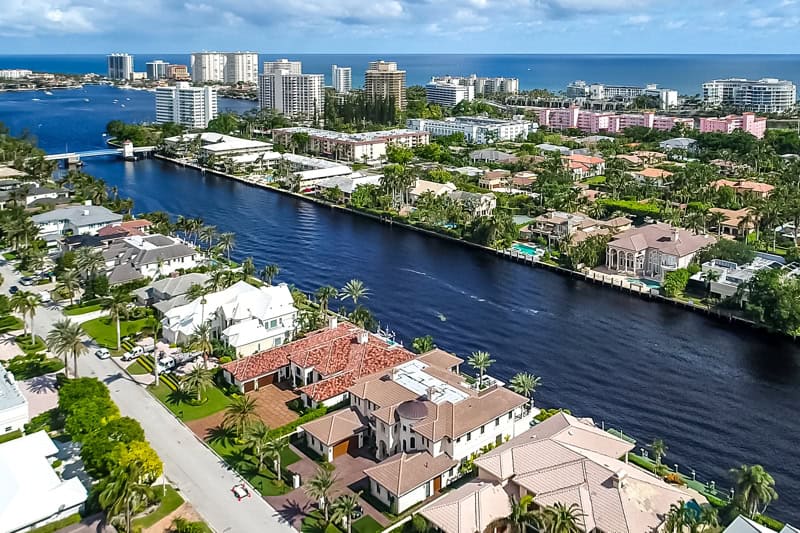
Luxury homes are rarely interchangeable. A waterfront estate, a residence in a private club community, and a design-forward home near downtown Boca Raton can each draw a distinct buyer profile. Even when two offers are close in price, the risk behind them can be very different.
One buyer may be paying cash but require an extended inspection period. Another may be financing with substantial liquidity, a meaningful deposit, and a clean contingency structure. A third may offer more but need to sell another property first. The highest offer can be compelling, but it is not automatically the best outcome.
The goal is to create disciplined competition while preserving your leverage. That requires a process that is fair, documented, and aligned with your priorities before negotiations begin.
Start with a side-by-side offer analysis
Before responding to anyone, place every offer into the same framework. A clear comparison prevents attention from drifting toward one attractive headline number while less visible terms create exposure later.
Review the purchase price alongside the financing type, earnest money deposit, proof of funds or lender documentation, inspection period, appraisal terms, requested credits, closing date, possession date, and any contingencies tied to another property. Also review inclusions carefully. Luxury transactions may involve furniture, art, dock equipment, generators, golf memberships, or other items that have material value and require precise treatment in the contract.
The practical question is not simply, “Which buyer offered the most?” It is, “Which offer is most likely to deliver the best net result on the terms that work for us?”
Price is only the beginning
A higher purchase price can be offset by a request for repair credits, a low appraisal risk, an unusually long due-diligence period, or a financing contingency with limited buyer commitment. Conversely, a slightly lower cash offer with a substantial deposit and few contingencies may provide a more predictable path to closing.
For a financed offer, look beyond the pre-approval letter. The lender, loan type, down payment, reserves, underwriting status, and appraisal strategy all matter. In a distinctive luxury property, comparable sales may be less straightforward, which can make appraisal planning especially relevant.
Deposits reveal commitment
The earnest money deposit is not a complete measure of buyer strength, but it is meaningful. A well-capitalized buyer who places a substantial deposit in escrow on a defined schedule is demonstrating commitment to the transaction.
Consider both the amount and timing. A buyer who deposits funds promptly and has a reasonable process for releasing contingencies may be more credible than one presenting a high price with minimal financial exposure.
Contingencies define your risk
Contingencies are not inherently negative. Inspections, financing, title review, and association approvals are standard components of many transactions. The issue is how broad they are, how long they last, and whether they are matched to the property and buyer profile.
A buyer requesting a short, focused inspection period may be easier to evaluate than a buyer with open-ended rights to renegotiate. Similarly, a home-sale contingency may work for a seller with a flexible timeline, but it can be less attractive when there are several buyers ready to proceed independently.
Decide what matters before issuing a counteroffer
Sellers often have priorities that do not appear on the listing sheet. You may need a specific closing window, want a post-closing occupancy arrangement, prefer fewer showings during the contract period, or care about certainty because your next purchase is already underway.
Share those priorities with your representation team early. When every decision is reduced to price, you can lose an opportunity to negotiate terms that make the transition materially easier.
For example, if you need additional time after closing, a buyer willing to offer a leaseback may be more valuable than another buyer offering a modestly higher amount. If preserving privacy matters, a buyer with a direct, well-documented offer and limited contingencies may be a better fit than an offer likely to require repeated access and renegotiation.
Choose the right response strategy
There is no single best way to handle multiple offers. The right approach depends on the quality of each offer, how far apart the terms are, and whether the property is likely to attract additional interest.
A highest-and-best request can be effective when several buyers are genuinely competitive and their initial terms leave room for improvement. It gives buyers an opportunity to present their strongest position without requiring the seller to negotiate separately with each party.
A counteroffer may be better when one offer clearly stands above the rest but has a specific issue to resolve, such as closing timing, inspection scope, or appraisal protection. In that case, a focused counter can preserve momentum while improving a key term.
Some sellers prefer to accept the strongest offer promptly. That can be appropriate when the offer meets the seller’s goals and carries a high degree of certainty. Extending negotiations simply because multiple offers exist can create unnecessary risk. Buyers may reconsider, redirect their attention, or become less flexible if the process feels unclear.
Whatever strategy is chosen, communication should be professional and consistent. Buyers deserve accurate information about the process, while sellers need to retain control over timing and final decisions.
Do not negotiate against yourself
Multiple offers create leverage, but only when that leverage is used carefully. Avoid disclosing more than necessary about the terms of competing offers. Sharing a buyer’s exact price, financing information, or confidential motivations can create legal and ethical concerns while weakening your negotiating position.
A better approach is to communicate the seller’s decision process: multiple offers are under review, the seller may request best and final terms, and buyers should submit the strongest package they are comfortable honoring. This encourages clarity without turning the transaction into a public auction.
It is also wise to avoid signaling that the seller will accept any price or condition simply to keep the deal moving. A composed, fact-based response tells buyers that the property is being handled with intention.
Protect the deal after acceptance
The work does not end once the contract is signed. A well-negotiated offer still needs thoughtful management through inspections, appraisal, association review when applicable, title work, and final walkthrough.
Keep backup interest organized where permitted and appropriate. If the accepted buyer encounters a problem or fails to perform, a credible secondary buyer may provide options. Do not assume a backup offer is needed in every transaction, but it can be useful when the accepted contract has meaningful contingencies or the property generated substantial demand.
The inspection phase is particularly important in luxury properties with pools, seawalls, boat lifts, elevators, generators, smart-home systems, custom millwork, or extensive outdoor improvements. The objective is not to avoid every buyer request. It is to distinguish between a legitimate issue, an expected maintenance item, and an attempt to reopen the economic deal after acceptance.
Use a process that matches the asset
When you navigate multiple offers on a luxury home, the outcome depends on preparation as much as negotiation. Strong presentation, accurate pricing, buyer qualification, and a disciplined review process create the conditions for confident decisions.
At The Alex Mendel Group, our team evaluates offers with the full transaction in view: projected proceeds, buyer strength, contract risk, timing, and the details that influence a successful closing. That senior-level review helps sellers make a decision based on evidence rather than pressure.
The right buyer is not always the buyer with the loudest offer. It is the buyer whose terms support the life, financial goals, and next step you have planned for your home.
Categories
- All Blogs (528)
- Blog (350)
- Boca Raton (12)
- Boca Raton Market Reports (4)
- Buying Your Boca Raton Home (37)
- Buying Your Delray Beach Home (26)
- Knowing Boca Raton (16)
- Knowing Delray Beach (7)
- Luxury Real Estate (2)
- Market Report (5)
- Moving to Boca Raton (37)
- Moving to Delray Beach (27)
- Neighborhood (2)
- Selling your Boca Raton Home (17)
- Selling your Delray Beach Home (12)
Recent Posts