Why Do Luxury Homes Sit on the Market So Long?

A luxury home can sit because the market is narrow, not necessarily because the property lacks appeal. Buyers at the $1.5 million-plus level are selective, well-informed, and often comparing a home against a small set of highly specific alternatives. When pricing, positioning, condition, or exposure is even slightly misaligned, days on market can extend quickly.
That does not mean every longer listing period is a problem. A distinctive waterfront estate, a custom home in an established East Boca neighborhood, or a residence within a country club community may require time to reach the right buyer. The concern begins when the listing is generating views but not showings, showings but not second visits, or interest without credible offers. Those patterns usually point to a strategic issue that can be identified and addressed.
Why Do Luxury Homes Sit? The Short Answer
Luxury homes sit when the value story is unclear to the buyers most likely to purchase them. Price is often part of that story, but it is rarely the only factor. A buyer may accept a premium for irreplaceable water views, architectural pedigree, a large lot, a renovated interior, or access to a desired club and lifestyle. They are less likely to pay a premium simply because a seller has invested heavily over time.
In South Florida, the comparison set can change block by block and community by community. A renovated home in Royal Palm Yacht & Country Club is evaluated differently from a waterfront property in Highland Beach, a downtown Boca condominium, or a residence in a membership-based country club. The strongest listing strategy accounts for those distinctions before the home enters the market.
The Buyer Pool Is Smaller, and Expectations Are Higher
At a higher price point, there are naturally fewer qualified buyers. Many are not under pressure to buy immediately. Some are evaluating a primary residence alongside a second-home option, while others are weighing a resale property against new construction or a major renovation project.
That smaller pool also tends to be more disciplined. Sophisticated buyers notice dated finishes, deferred maintenance, a challenging floor plan, limited outdoor living, or a presentation that falls short of the asking price. They may still like the home, but they will often wait to see whether the market validates the seller's expectations.
Luxury buyers are purchasing both an asset and an experience. The arrival sequence, light, landscaping, condition of the roof and mechanical systems, quality of photography, and even the clarity of community information can affect their confidence. A home does not need to be newly built to compete, but it needs to be positioned honestly and compellingly against the homes buyers can choose today.
Pricing Above the Market Can Cost More Than Time
The first few weeks of a listing create valuable market feedback. This is when a home is newest to qualified buyers and agents who actively track a particular neighborhood or property type. If the price is noticeably above recent comparable sales and available alternatives, buyers may simply wait rather than negotiate.
Sellers sometimes use an ambitious initial price as room to negotiate. In luxury real estate, that can have the opposite effect. A home that remains available for months may prompt buyers to question its condition, marketability, or seller flexibility, even when there is no underlying problem.
Pricing should not be based on a broad average for an entire city. Our team evaluates recent closed sales, active competition, pending activity, location within a community, lot orientation, renovations, square footage, waterfront features, association costs, and buyer demand at the specific price band. The goal is not to give a home away. It is to establish a defensible value position that earns attention and protects negotiating leverage.
The difference between value and cost
A seller's improvements absolutely matter, especially when they solve a buyer concern or create a better daily experience. A new roof, impact glass, updated systems, a redesigned kitchen, and a well-executed outdoor space can improve marketability and value.
But buyers do not reimburse every dollar spent on a renovation. They compare the finished product with competing homes, not with the owner's receipts. When a home's upgrades are personal in style, incomplete, or out of step with the neighborhood's price ceiling, the return may be lower than expected. A careful pre-listing analysis helps separate investments that will influence buyers from expenses that should not drive the list price.
Presentation Must Match the Price Point
A $3 million home marketed with average photography, cluttered rooms, inconsistent lighting, or limited property details is asking buyers to do too much work. High-net-worth buyers are busy, and many first decide whether a home deserves a visit based on its digital presentation.
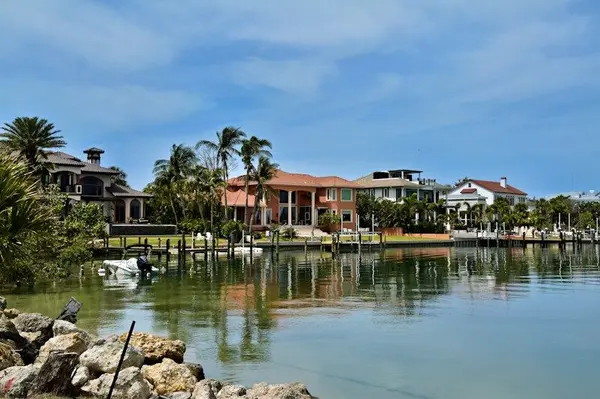
Professional visual marketing should make the property's advantages immediately clear. For a waterfront home, that may mean emphasizing water exposure, dockage, views, and outdoor entertaining areas. For a condominium, it may mean showing the residence, building amenities, views, valet or security services, and the convenience of the surrounding setting. For a country club home, it means explaining the lifestyle accurately while being transparent about membership structure, dues, and approvals.
Preparation is not just about staging. It can include repairs, paint, landscaping, lighting, inspections, documents, floor plans, and a deliberate showing plan. The right scope depends on the property. Some homes need a full visual refresh; others need only refined editing and strong storytelling. The common standard is that the listing must feel consistent with its asking price from the first image through the in-person tour.
Missing Information Creates Buyer Friction
Luxury purchases involve more due diligence, and unanswered questions can slow or stop a decision. Buyers may want clarity on flood considerations, insurance history, permits, seawall condition, dock specifications, renovation dates, association rules, reserves, rental restrictions, membership requirements, and future assessments where applicable.
A seller does not need to anticipate every question perfectly. However, organized information signals that the property has been cared for and that the transaction can proceed with fewer surprises. It also allows the listing agent to handle inquiries promptly and accurately, rather than losing momentum while tracking down basic documents.
This is particularly relevant for waterfront estates, luxury condominiums, and homes within gated or club communities, where the ownership experience includes more than the residence itself. Transparent, early communication builds trust and helps buyers compare the opportunity on its real merits.
Exposure Matters, but Targeted Exposure Matters More
Broad marketing is valuable, but luxury homes do not sell simply because they are placed in front of the largest possible audience. They sell when the right audience sees a coherent reason to act.
That requires a campaign tailored to the buyer profile. A home with deep-water access may appeal to a different audience than a lock-and-leave downtown residence. A custom estate in an established neighborhood may compete on architectural character and land, while a newer gated-community home may compete on amenities, finishes, and convenience. The message, imagery, digital advertising, email outreach, agent-to-agent communication, and direct marketing should reflect that distinction.
When a listing sits, the solution is not automatically more promotion. First, review the evidence. Are qualified buyers seeing it? Are they scheduling tours? What feedback repeats? Which comparable homes are receiving attention or going under contract? A disciplined response uses this data to improve the strategy rather than repeating the same activity with a larger budget.
Timing Can Influence the Pace, Not the Fundamentals
Luxury activity in Boca Raton, Delray Beach, Highland Beach, and neighboring markets can be seasonal, especially for second-home buyers. Inventory levels, travel schedules, school calendars, and local events can influence when certain buyers tour and make decisions.
Still, timing is not a complete explanation for an underperforming listing. A well-priced, well-prepared home with a clear market position can attract serious interest in any season. Conversely, waiting for a stronger season will not correct a price that buyers view as unsupported or a presentation that does not reflect the home's potential.
The practical question is whether the property is being compared fairly against current alternatives. If several comparable homes offer more turnkey condition, better views, superior amenities, or a more compelling price, timing becomes secondary.
What Sellers Should Do When a Luxury Listing Is Stalled
Before making a change, assess the listing with candor. Review online engagement, showing volume, buyer feedback, competing inventory, price-per-square-foot context, and the quality of the marketing materials. Then distinguish between a normal luxury-market timeline and a listing that has lost momentum.
A price adjustment can be effective when it moves the home into a more relevant buyer search range or restores a clear value advantage. But it should be paired with a relaunch plan: refreshed photography where needed, corrected property details, a revised feature narrative, and focused outreach to the right buyer and agent networks. Reducing the price without improving the positioning may not change the result.
In some cases, the better answer is preparation before relaunching. Addressing visible deferred maintenance, completing a partially finished project, improving curb appeal, or assembling property records can materially change buyer perception. In other cases, the home is already well prepared and the data simply supports a sharper price position.
The Alex Mendel Group approaches this conversation as a business decision, not a sales pitch. The objective is to protect net proceeds, reduce unnecessary time on market, and give sellers a clear process for deciding what to change and why.
A longer market time is useful information when it is interpreted correctly. The right next step is a fresh, property-specific review that measures the home against what qualified buyers can purchase now, then gives them a reason to choose it.
Categories
- All Blogs (551)
- Blog (350)
- Boca Raton (35)
- Boca Raton Market Reports (4)
- Buying Your Boca Raton Home (38)
- Buying Your Delray Beach Home (26)
- Knowing Boca Raton (16)
- Knowing Delray Beach (7)
- Luxury Real Estate (2)
- Market Report (19)
- Moving to Boca Raton (37)
- Moving to Delray Beach (27)
- Neighborhood (13)
- Selling your Boca Raton Home (19)
- Selling your Delray Beach Home (12)
Recent Posts