Real Estate Video Marketing Homes That Sell
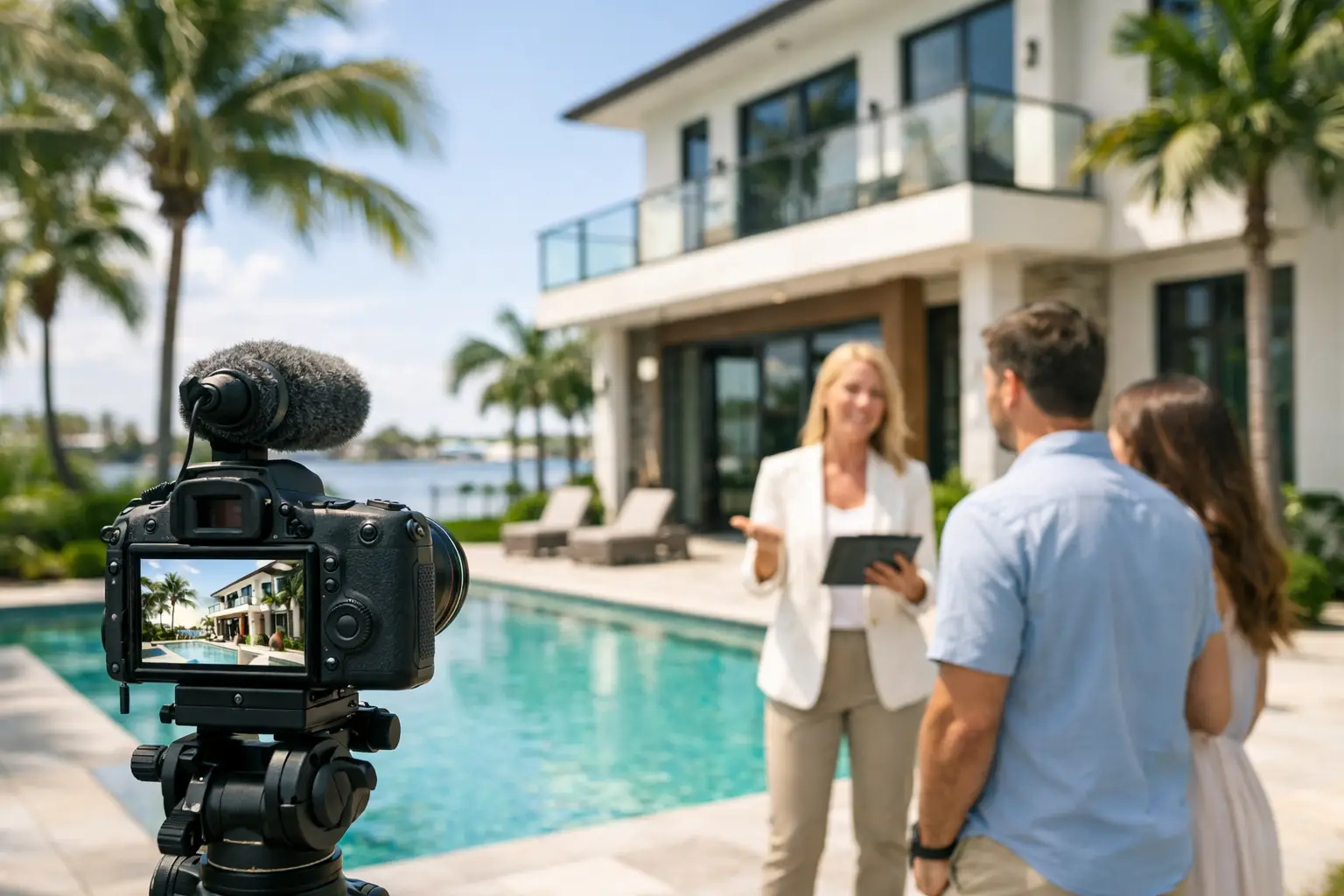
Real estate video marketing homes effectively means using video to help qualified buyers understand a property before they schedule a private showing. For luxury sellers, that requires more than attractive footage. The video must communicate scale, lifestyle, location context, and the details that support a buyer’s confidence in both the home and its value.
A well-produced video can widen a property’s reach, create an emotional connection before the first conversation, and give serious buyers a clearer reason to act. A generic walkthrough, however, can make even an exceptional residence feel interchangeable. The difference is strategy: what the video shows, what it leaves out, where it is distributed, and how it supports the larger marketing plan.
Why Real Estate Video Marketing Homes Works
Luxury buyers often begin their search from a distance, even when they already have ties to Boca Raton, Delray Beach, or another South Florida market. They may be comparing a waterfront estate, a country club residence, and a downtown condo within a short period. Video helps them quickly assess which properties deserve their time and attention.
That matters because high-value homes are not purchased solely on bedroom counts or square footage. Buyers are evaluating light, privacy, arrival experience, architectural character, outdoor living, water views, finishes, and the rhythm of daily life in the space. Photography captures individual moments. Video connects those moments into a more complete impression.
For sellers, the return is not simply more views. The goal is more qualified attention. When a property is positioned clearly from the start, prospective buyers and their advisors arrive with better context. That can make showings more productive and help protect the home’s perceived value during negotiations.
A Luxury Listing Video Needs a Point of View
The strongest property videos do not attempt to show every corner of the house in two minutes. They identify the home’s most persuasive story and build around it.
A Royal Palm Yacht and Country Club residence may lead with its arrival, indoor-outdoor entertaining areas, and golf or water setting. A downtown Boca condo may focus on refined interiors, views, building amenities, and access to the cultural and dining energy of the area. A home in an established East Boca neighborhood may be defined by mature landscaping, design character, and proximity to the coastline or downtown without relying on generic lifestyle claims.
This is where judgment matters. A cinematic opening shot may create immediate appeal, but it cannot substitute for clear information. Buyers should still come away understanding the property’s layout, major living spaces, lot orientation, and the features that justify its market position. A polished video should feel aspirational while remaining credible.
Start With the Buyer’s First Questions
Before filming, our team considers the questions a likely buyer will have in the first 30 seconds. What makes this home distinct? Is the setting private or open? Does the property favor entertaining, quiet retreat, boating access, golf, or lock-and-leave convenience? Which spaces will shape the buyer’s decision?
The answers guide the filming plan. A waterfront property may need aerial footage to establish the relationship between the home, dock, canal, and surrounding waterway. A residence with significant architectural detail may benefit from slower interior sequences that show craftsmanship and proportion. For a condo, the view from the main living area can be more important than an extended sequence of hallways.
The point is not to manufacture a lifestyle the home cannot support. It is to present its genuine strengths in a way that is easy to understand and difficult to forget.
What to Include in a Strategic Property Video
Every home is different, but an effective luxury video usually has several essential components. The opening should establish a compelling first impression, whether that is an exterior approach, a water view, an architectural detail, or a striking main living space. From there, the video should move with intention rather than simply following the floor plan room by room.
The most valuable sequences tend to include the primary entertaining areas, kitchen, owner’s suite, meaningful outdoor spaces, and the signature feature that sets the home apart. Depending on the property, that may be a resort-style pool, deep-water dockage, a wine room, a club setting, a rooftop terrace, or a view corridor.
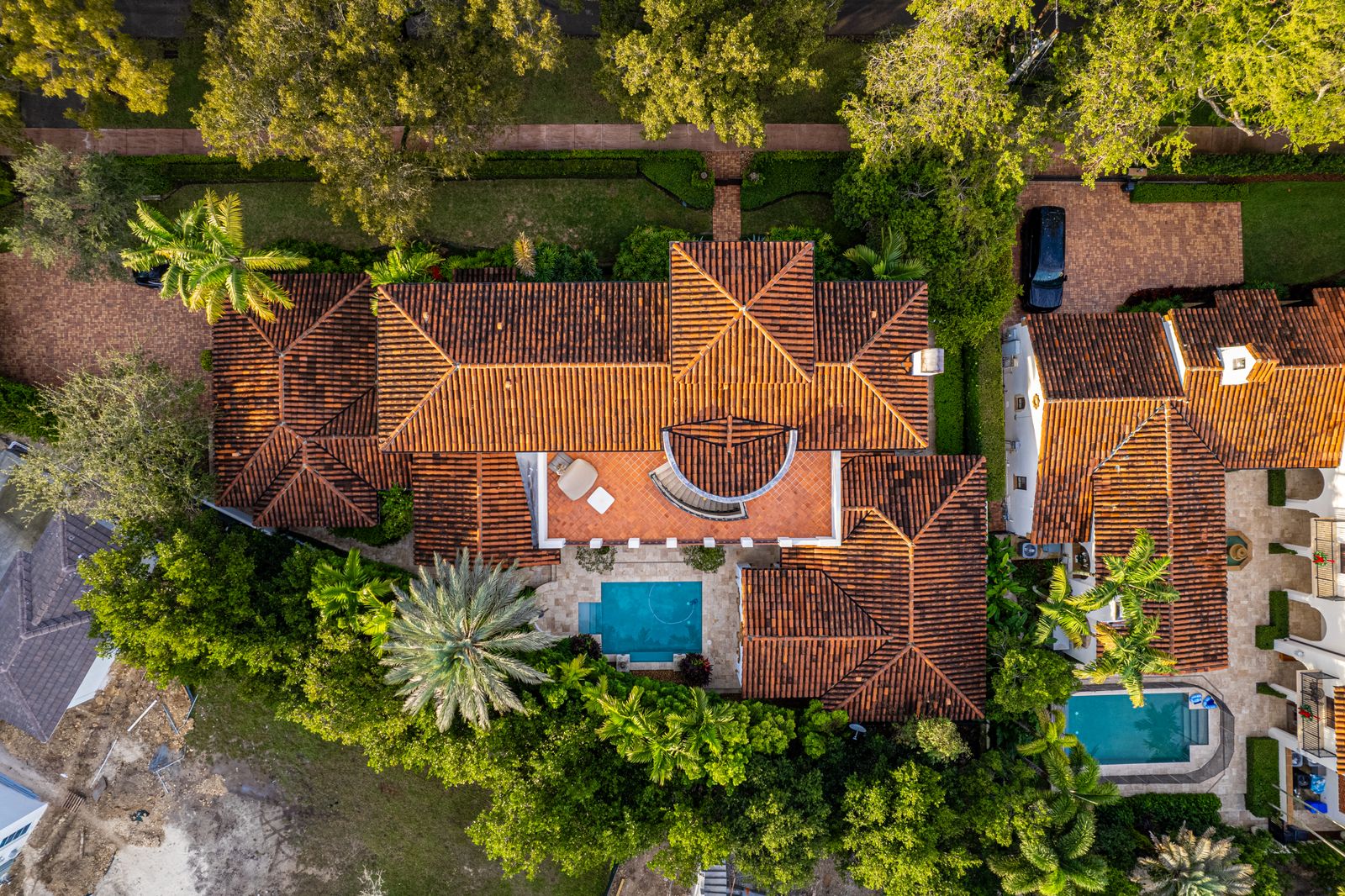
Aerial footage can be especially useful in Palm Beach and Broward County, where location often contributes materially to value. It can clarify a home’s waterfront position, showcase lot scale, and show the relationship to nearby golf courses, parks, the Intracoastal, or the ocean. It should be used with restraint, though. Aerial shots establish context, but they cannot replace the interior experience buyers need to see.
Music, editing, and narration deserve the same care. Music should support the property’s tone without overpowering it. Narration can provide useful context when it is concise and specific, but some homes are better served by clean visuals and on-screen text. The right choice depends on the listing, buyer profile, and distribution channel.
Production Quality Signals How the Home Is Being Represented
Luxury buyers may not describe every technical issue they notice, but they notice them. Shaky footage, poor lighting, distorted wide-angle views, or rushed editing can create doubt about the property and the sales process. In a market where buyers have many options, presentation is part of the value conversation.
That does not mean every listing requires a feature-film budget. Production should be appropriate to the home, its price point, and the marketing objective. A $1.5 million residence and a $10 million waterfront estate may both benefit from video, but their visual strategy, filming time, and distribution plan should not be identical.
The best investment is often preparation. Staging key areas, adjusting lighting, removing visual distractions, scheduling around the right time of day, and confirming that exterior spaces are photo-ready can have more impact than adding unnecessary effects in post-production. Good video begins before the camera arrives.
Distribution Is Where Video Becomes Marketing
Creating a beautiful video is only half the assignment. It must reach the right people in the right context. A full property film may be ideal for a listing presentation, email marketing, social media, and a property page, while short-form edits can introduce the home to new audiences and drive viewers toward more detailed information.
Different platforms reward different formats. A longer video gives serious prospects room to evaluate the residence. Short clips are more effective when they lead with a memorable feature, such as a sunset view, dramatic foyer, indoor-outdoor living area, or private dock. Vertical video may be appropriate for social channels, while a horizontal format often remains useful for broader presentation and advertising placements.
Consistency matters across every version. The visual message, pricing strategy, photography, written description, and showing experience should reinforce one another. If the video presents a calm waterfront retreat but the listing materials fail to explain dockage, water access, or recent improvements, buyers are left to fill in the gaps. Clear information builds trust and helps agents represent the property accurately to their clients.
At The Alex Mendel Group, video is considered within a larger concierge marketing plan, not as a standalone deliverable. The objective is to build visibility while giving qualified prospects the information they need to engage with confidence.
Common Video Mistakes That Can Weaken a Listing
The most common mistake is treating video as a box to check. A fast walkthrough with no strategy may technically provide video, but it rarely creates the response a distinctive home deserves.
Another issue is over-editing. Excessive transitions, dramatic effects, and music that feels disconnected from the home can distract from the property itself. Luxury marketing should feel composed and intentional. Buyers should remember the residence, not the production tricks.
It is also a mistake to hide practical elements entirely. A video does not need to feature every closet or utility area, but it should not create a misleading impression of the home’s flow, condition, or setting. Sophisticated buyers will uncover inconsistencies during a showing or inspection. Credibility is more valuable than a momentary click.
Finally, sellers should avoid judging video success only by view counts. High engagement can be encouraging, but the more meaningful indicators are showing quality, buyer feedback, saved interest, repeat viewing, and whether the campaign brings the property to the attention of credible prospects.
The Right Video Supports a Stronger Selling Strategy
A luxury home video is most effective when it is aligned with accurate pricing, compelling photography, precise property positioning, and responsive follow-up. It can create the first emotional connection, but the complete marketing process must carry that interest forward.
If you are preparing to sell, ask not only whether your home will have video, but what the video will communicate to the buyer most likely to value it. The answer can shape the entire launch and help your property enter the market with clarity, confidence, and a presentation worthy of its next chapter.
Categories
- All Blogs (531)
- Blog (350)
- Boca Raton (15)
- Boca Raton Market Reports (4)
- Buying Your Boca Raton Home (37)
- Buying Your Delray Beach Home (26)
- Knowing Boca Raton (16)
- Knowing Delray Beach (7)
- Luxury Real Estate (2)
- Market Report (7)
- Moving to Boca Raton (37)
- Moving to Delray Beach (27)
- Neighborhood (4)
- Selling your Boca Raton Home (17)
- Selling your Delray Beach Home (12)
Recent Posts