When Should I Sell Waterfront Property in Florida?

A waterfront home can attract attention in any month, but the best time to list is not simply the moment South Florida looks its most beautiful. If you are asking, when should I sell waterfront property, the right answer depends on buyer demand in your specific enclave, your home’s condition, insurance and seawall considerations, and whether you can position the property before competing inventory arrives.
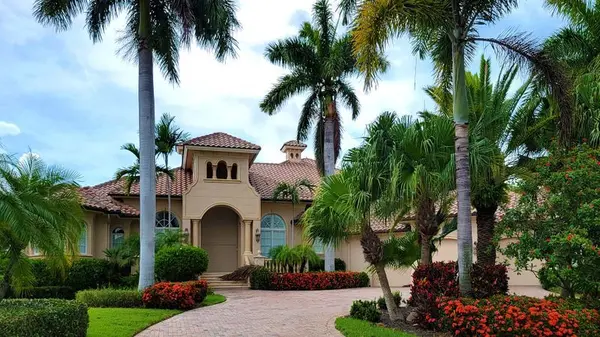
For many luxury waterfront sellers in Boca Raton, Delray Beach, Highland Beach, Lighthouse Point, and nearby coastal markets, the strongest window is often late fall through spring. Seasonal buyers are active, outdoor living photographs exceptionally well, and buyers can experience the water, marina access, views, and entertaining spaces as intended. Still, a well-prepared property can sell strategically outside that window, particularly when inventory is limited or the home offers a rare combination of frontage, dockage, privacy, and architectural quality.
When Should I Sell Waterfront Property?
Sell when the property can be presented at its highest level and priced against current, truly comparable waterfront sales, not merely when a calendar says it is peak season. In luxury real estate, the difference between a good and excellent outcome often comes down to preparation and positioning.
A seller with a recently updated roof, clear insurance information, a documented seawall inspection, and a polished outdoor setting may be ready to come to market ahead of the traditional seasonal rush. Another seller may benefit from waiting several months to complete a dock repair, replace aging pool equipment, or resolve a permitting question. Those details matter because affluent buyers tend to evaluate waterfront homes through both emotion and risk management.
The best timing is also influenced by your next move. If you are selling a primary residence while purchasing another luxury home, the decision should account for your purchase timeline, available liquidity, and the amount of flexibility you need. A strong sale price is valuable, but certainty, closing control, and a well-coordinated transition can be equally meaningful.
Why Waterfront Timing Is Different
Waterfront property is not one market. An Intracoastal estate, a deepwater home with ocean access, a canal-front residence, and a luxury condo with sweeping water views appeal to different buyer pools. Their values are shaped by different factors, including bridge clearance, dock capacity, water depth, boating access, HOA financials, reserve requirements, flood-zone designation, and the condition of shoreline improvements.
This is why broad market headlines can be less useful than localized analysis. A buyer seeking a yacht-capable dock in Royal Palm Yacht & Country Club or Lighthouse Point may have very few suitable choices. In that situation, listing during a quieter period can work well if your property fills a clear gap in the market. Conversely, a waterfront home with common features and several close competitors may need the added demand of peak seasonal activity to achieve the best leverage.
The presentation of the home also changes with the season. Bright skies, clear water, lush landscaping, and an inviting pool deck support the lifestyle buyers expect at this price point. But a carefully planned photography and video schedule can create that effect nearly year-round. The key is to avoid listing before the property is ready simply to meet a perceived seasonal deadline.
Watch Inventory, Not Just the Calendar
The number of comparable properties available is one of the most practical indicators of timing. Before listing, assess what buyers can purchase today, what has recently gone under contract, and which listings have been sitting without meaningful activity.
A competitive review should go deeper than price per square foot. Waterfront buyers may pay a premium for a larger lot, southern exposure, protected dockage, newer construction, a renovated kitchen, a generator, impact protection, or a more favorable boating route. A home across the water can be technically comparable on paper yet materially different in the eyes of the buyer.
When inventory is low, a properly priced listing can command attention even during summer or early fall. When inventory is building, waiting may not improve your outcome unless the extra time is used to make the home more competitive. The objective is not to chase the highest asking prices in the neighborhood. It is to establish a defensible value that encourages qualified buyers to act with confidence.
Price Before You Need a Price Reduction
Luxury buyers are discerning, well-advised, and often watching a limited set of properties for months. A waterfront listing that enters the market above its supportable value can lose momentum quickly. The first few weeks generate the clearest feedback from serious buyers, buyer representatives, and waterfront-specific search activity.
Pricing strategically from the beginning does not mean leaving money on the table. It means recognizing that the best buyers respond to a credible opportunity. The right launch price, paired with sophisticated marketing and thorough property information, can produce stronger negotiations than an inflated price followed by visible reductions.
Prepare the Details Buyers Will Investigate
Waterfront homes invite more diligence than inland properties. Addressing known questions before launch can reduce friction and strengthen buyer confidence. This is especially true when a home is priced above $1.5 million, where purchasers frequently involve attorneys, insurance professionals, contractors, marine specialists, and other advisors early in the process.
Prior to listing, review the condition and documentation for the seawall, dock, boat lift, bulkhead, pool, roof, windows, mechanical systems, and major renovations. Confirm whether work was permitted and whether transferable warranties are available. If the property has a generator, smart-home systems, solar equipment, or extensive landscape lighting, organize service records and operating details.
Insurance deserves early attention as well. Buyers may want clarity on current coverage, elevation information, flood requirements, mitigation features, and prior claims history where applicable. Sellers should not assume a buyer will interpret missing information generously. A clear, professionally organized property file signals careful ownership and helps the transaction proceed more efficiently.
This preparation does not require making every conceivable upgrade. Some improvements have a strong return because they remove a visible objection, while others may be better reflected in pricing. Replacing a failed pool heater or repairing a damaged dock board is different from undertaking a full renovation just before selling. The right choice depends on the home’s condition, price tier, and competing inventory.
Consider Hurricane Season With Perspective
Hurricane season is a real factor in Florida waterfront real estate, but it does not automatically mean sellers should avoid listing. Buyers continue to purchase throughout the year, and some are especially motivated outside the traditional seasonal window. The more relevant question is whether your home is ready for scrutiny.
A property with documented impact protection, a maintained roof, storm-preparation systems, and transparent insurance information can reassure buyers. On the other hand, listing immediately after storm damage, while repairs are incomplete or insurance issues remain unresolved, can complicate valuation and negotiations.
Weather events can also disrupt photography, showings, inspections, and closings. If your timing is flexible, allow room for those possibilities. If it is not, set realistic expectations and work with a team that can manage the details promptly.
Your Personal Timeline Can Create Leverage
Not every seller should wait for the theoretical peak. An estate transition, a business decision, a purchase opportunity, or the desire to simplify ownership may make a timely sale the smarter financial decision. Holding costs, insurance premiums, maintenance, taxes, and opportunity cost all belong in the calculation.
There are also situations where certainty matters more than exposure to the full open market. A cash offer, pre-listing funding, or a guaranteed sale structure may be worth exploring when speed, privacy, or predictability is a priority. These options should be evaluated against the likely net proceeds of a traditional, fully marketed sale, not viewed as one-size-fits-all solutions.
For sellers who do choose a traditional listing, the process should be deliberate: establish the pricing strategy, complete high-value preparation, create exceptional visual assets, target qualified buyers, and manage showings and negotiations with discretion. The Alex Mendel Group approaches waterfront sales with that level of market-specific planning, because a waterfront address deserves more than standard listing treatment.
A Better Question to Ask Before Listing
Rather than asking only whether this is the perfect month to sell, ask whether your property is positioned to be the best available choice for its intended buyer. That means the condition is clear, the price is credible, the marketing reflects the lifestyle, and the transaction plan supports your goals.
The ideal selling window is the point where market opportunity and personal readiness meet. A focused evaluation of current competition, property condition, buyer demand, and net proceeds can turn that point from a guess into a sound decision.
Categories
- All Blogs (533)
- Blog (350)
- Boca Raton (17)
- Boca Raton Market Reports (4)
- Buying Your Boca Raton Home (37)
- Buying Your Delray Beach Home (26)
- Knowing Boca Raton (16)
- Knowing Delray Beach (7)
- Luxury Real Estate (2)
- Market Report (8)
- Moving to Boca Raton (37)
- Moving to Delray Beach (27)
- Neighborhood (5)
- Selling your Boca Raton Home (17)
- Selling your Delray Beach Home (12)
Recent Posts