What Increases Luxury Home Value Most?
A luxury home’s value rarely comes down to one upgrade. When sellers ask what increases luxury home value, the answer is usually a combination of irreplaceable features, disciplined updates, and how well the property matches current buyer expectations in its price tier.
In the luxury market, buyers are not simply paying for square footage. They are paying for scarcity, convenience, design quality, privacy, and the feeling that the home is hard to replicate. That is why two properties with similar size can trade at very different prices. One may have a better lot, a stronger floor plan, more refined finishes, or a more compelling lifestyle offering.
What increases luxury home value first
The biggest driver is usually the feature that cannot be easily changed. Location still leads the list, but in luxury real estate, “location” becomes more specific. It means the exact street, the lot placement within a community, water frontage, golf or preserve views, privacy from neighbors, and access to the lifestyle buyers want.
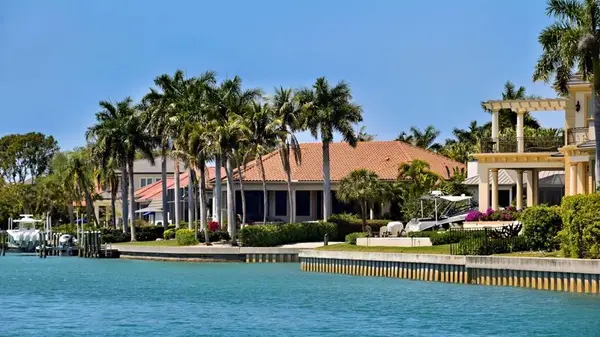
A well-positioned home in a premier section of a neighborhood often outperforms a larger home on an inferior lot. On the waterfront, factors like dockage, seawall condition, water depth, no fixed bridges, and wide canal or Intracoastal exposure can influence value materially. In gated or club communities, value often rises when a home sits on a premium lot with long views, less road noise, and stronger architectural consistency nearby.
This is also why over-improving a compromised property has limits. Beautiful interiors help, but they do not fully erase a weak location, awkward lot orientation, or lack of privacy.
Design quality matters more than trendiness
Luxury buyers notice proportion, light, ceiling height, and flow before they notice a faucet finish. Homes that feel balanced, bright, and easy to live in tend to hold value better than homes filled with expensive but highly personal design choices.
That distinction matters. A kitchen renovation can increase value, but only if it improves function and broadens appeal. An oversized island, integrated appliances, quality stone, custom cabinetry, and strong lighting usually add more than flashy details that may feel dated in a few years. The same goes for bathrooms. Spa-like primary baths with generous showers, natural light, and a calm material palette often resonate more than highly stylized remodels.
In upper-tier homes, buyers also expect consistency. If one room has exceptional finishes but the rest of the house feels untouched, the property can read as unfinished rather than elevated. The homes that command premiums tend to present a coherent standard throughout.
Floor plan and livability
A valuable luxury home lives well day to day. That sounds obvious, but poor layouts still suppress pricing. Buyers place a premium on homes where the primary suite feels private, guest bedrooms are well separated, entertaining spaces connect naturally, and indoor-outdoor flow feels intuitive.
Today, flexibility also matters. A dedicated office, gym, media room, or detached guest space can support value because affluent buyers expect optionality. That does not mean every extra room pays back equally. If added square footage creates odd circulation or reduces usable outdoor space, the return may be lower than expected.
Outdoor living is not optional in this segment
In South Florida especially, exterior living space carries real pricing power. Buyers in the luxury market are evaluating how a property performs beyond the walls of the house. Covered terraces, summer kitchens, resort-style pools, thoughtful lighting, privacy landscaping, and attractive hardscape all contribute to perceived and actual value.
The key is usability. A large backyard without shade, ambiance, or layout planning may not command the same premium as a smaller but fully designed outdoor environment. Likewise, a pool renovation can be meaningful when it improves aesthetics and function, but less so if the surrounding patio and landscaping still feel dated.
For waterfront properties, outdoor value extends to marine functionality. A high-quality dock, lift, seating area, and clean seawall presentation can strengthen buyer interest because they support the lifestyle the location promises.
Condition, maintenance, and systems carry more weight than many sellers expect
Luxury buyers may appreciate beautiful finishes, but they also pay attention to what they cannot immediately see. Roof age, impact glass, HVAC quality, electrical systems, plumbing condition, and smart home integration all affect value because they influence risk, convenience, and post-closing capital needs.
A well-maintained home often sells better than a recently decorated one with deferred maintenance. In higher price points, buyers are less tolerant of hidden projects. They want confidence that the home has been cared for at a high standard.
This is where pre-listing preparation can materially improve outcomes. Addressing inspection issues before going to market often protects value more effectively than spending the same budget on cosmetic changes alone. In many cases, certainty and clean execution support stronger offers.
Smart home features, but done thoughtfully
Technology can increase luxury home value when it feels integrated rather than gimmicky. Buyers generally respond well to reliable lighting control, security systems, automated shades, audio, climate management, and whole-home connectivity. The goal is convenience and comfort, not complexity.
Overbuilt systems can create the opposite effect if they are difficult to operate or expensive to maintain. The best technology upgrades are intuitive, current, and supported by quality installation.
Architecture and character influence premium pricing
Luxury homes that feel distinctive often outperform generic inventory. That does not always mean ultramodern or newly built. In many cases, architectural integrity matters more than age. A home with clear design identity, quality materials, and authentic character can attract stronger demand than a newer property that feels formulaic.
That said, character only adds value when it is paired with functionality. Buyers may love original details, but they still want modern kitchens, strong lighting, updated systems, and a floor plan that fits current living patterns. The highest premiums usually go to homes that balance personality with practicality.
In neighborhoods where architectural character is part of the appeal, thoughtful restoration can be especially valuable. Poorly executed renovations, by contrast, can reduce value if they strip away what made the property special in the first place.
Privacy, security, and arrival experience
At the luxury level, value is also emotional. Buyers remember how a property makes them feel when they arrive. Gated entry, a long driveway, mature landscaping, clean sight lines, and a strong front elevation all shape that first impression.
Privacy is one of the most underestimated value drivers. A home can be beautifully renovated, but if neighboring homes overlook the pool area or the main living spaces feel exposed, buyer enthusiasm may soften. Landscaping, lot orientation, window placement, and entry design all play a role here.
Security features matter too, especially when they blend into the design. Impact windows and doors, quality exterior lighting, cameras, and controlled access support both convenience and value.
Market fit matters just as much as improvement quality
One of the most common pricing mistakes is assuming every dollar spent will return the same amount. It depends on the home, the submarket, and the likely buyer pool. A major renovation that makes perfect sense in a top-tier waterfront enclave may not produce the same return in a different setting.
That is why understanding market fit is critical. Buyers in one community may prioritize a sleek contemporary finish, while buyers in another respond more strongly to timeless interiors, club lifestyle access, or lot privacy. Value increases when improvements align with what qualified buyers in that specific segment already expect.
This is where strategic advice matters. At The Alex Mendel Group, we often see that the best return comes from selective updates, presentation, and positioning rather than indiscriminate spending. The goal is not simply to improve the home. It is to improve the home in ways the market will reward.
What increases luxury home value at resale
When it comes time to sell, presentation and pricing strategy become part of value too. Even an exceptional home can underperform if the photography is weak, the launch strategy is off, or the pricing ignores how luxury buyers compare options.
In this segment, value is partly created by how the property is introduced to the market. Strong staging or styling, polished visual assets, accurate pricing, and exposure to the right buyer audience all influence final sale price. That does not change the home itself, but it changes how fully the market recognizes its value.
Sellers should also remember that luxury buyers are sophisticated. If upgrades look rushed, pricing feels aspirational without support, or the home lacks consistency, they will notice. On the other hand, when a property is updated with discipline and brought to market with clear strategy, buyers are often willing to pay for confidence.
The strongest luxury values are built on a simple principle: focus first on what is rare, then refine what buyers use every day. A premier lot, a livable floor plan, excellent condition, and polished indoor-outdoor living will usually do more for long-term value than chasing whatever happens to be fashionable this season.
Categories
- All Blogs (533)
- Blog (350)
- Boca Raton (17)
- Boca Raton Market Reports (4)
- Buying Your Boca Raton Home (37)
- Buying Your Delray Beach Home (26)
- Knowing Boca Raton (16)
- Knowing Delray Beach (7)
- Luxury Real Estate (2)
- Market Report (8)
- Moving to Boca Raton (37)
- Moving to Delray Beach (27)
- Neighborhood (5)
- Selling your Boca Raton Home (17)
- Selling your Delray Beach Home (12)
Recent Posts