Best Time to Sell House Florida?
If you are wondering about the best time to sell house Florida, the short answer is this: for many sellers, late winter through spring brings the strongest buyer activity, but the real answer depends on your price point, location, property type, and how prepared your home is before it hits the market.
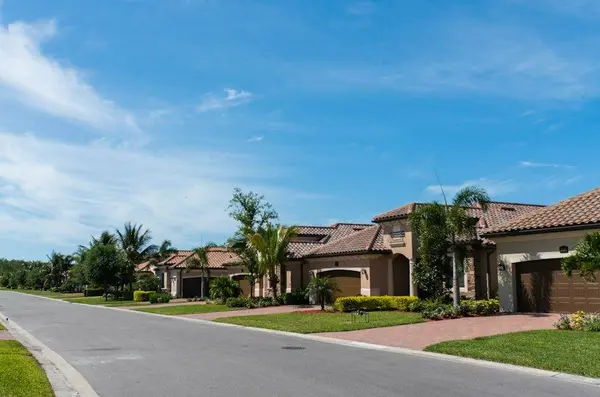
Florida does not behave like a one-season real estate market. In South Florida especially, timing is shaped by snowbird demand, second-home purchasing patterns, school calendars in feeder states, weather, insurance conversations, and the difference between local buyers and discretionary luxury buyers. A waterfront estate in Boca Raton will not follow the exact same timing pattern as a downtown condo in Delray Beach or a golf community home in central Palm Beach County.
Best Time to Sell House Florida: What Usually Performs Best
In broad terms, the strongest window to list is often January through May. Buyer traffic tends to be higher, many seasonal residents are in town, and homes generally show well before the peak of summer heat and storm concerns. For luxury properties, this period often aligns with the highest concentration of qualified out-of-state and second-home buyers actively touring.
That does not mean summer and fall are poor times to sell. It means they require a sharper strategy. Serious buyers still transact year-round in Florida, particularly in the $1.5M+ segment, where life events, tax planning, portfolio shifts, and lifestyle changes matter more than a traditional school-year calendar.
The key is understanding whether you are trying to capture the widest buyer pool or appeal to a smaller but highly motivated one. Those are not always the same thing.
Why late winter and spring tend to stand out
From January through April, South Florida often benefits from a valuable combination: strong weather, heavy seasonal population, and higher showing volume. Buyers shopping in person are more active, outdoor spaces look appealing, and homes with pools, waterfront exposure, golf views, and entertaining areas tend to make an immediate emotional impression.
For luxury sellers, this matters. High-end buyers are not just purchasing square footage. They are reacting to how a property feels in the season when Florida lifestyle is most attractive. A home that shows beautifully in March may create a stronger response than the same home photographed or toured during a rainy August stretch.
Why some sellers do better outside peak season
There is a trade-off. Peak season can bring more competition. If many comparable homes list at once, buyers gain options, and pricing discipline becomes more important. In some cases, a well-prepared listing launched in early summer or early fall can stand out precisely because inventory is thinner.
This is especially true for unique homes. Architectural properties, renovated estates, and residences in tightly held enclaves can perform well outside the busiest season because buyers in those categories are often waiting for the right asset, not just casually browsing.
Timing Depends on the Type of Florida Home You Are Selling
The best time to sell house Florida changes when you look at the property itself.
Waterfront and coastal homes
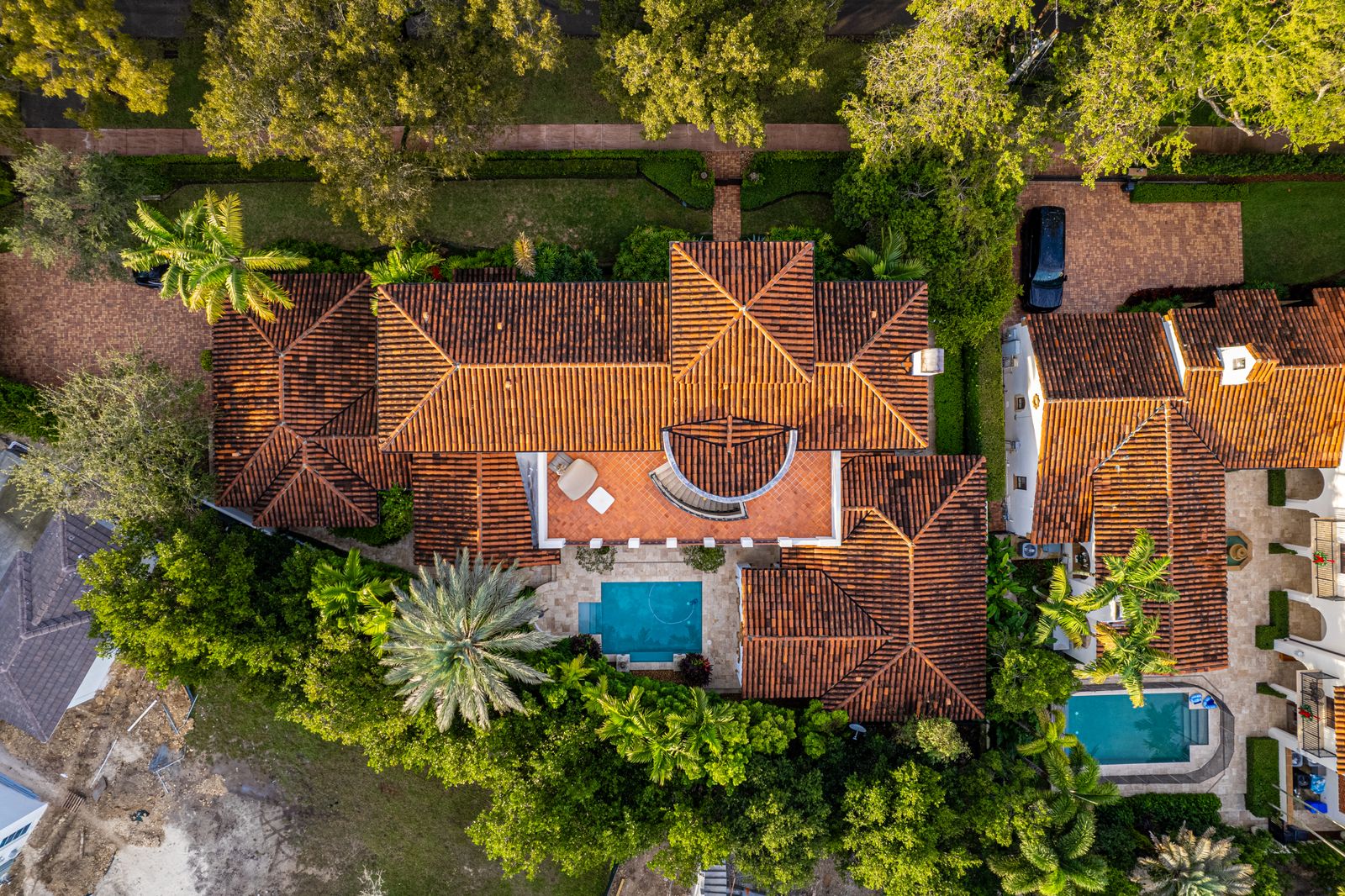
Waterfront homes often show best during the drier, more temperate months. Buyers can fully appreciate outdoor living, dock access, water views, and entertaining space. These homes are highly visual, and timing affects both photography and in-person experience.
That said, waterfront buyers are also detail-oriented. Insurance, seawall condition, dock quality, elevation, and maintenance can influence timing just as much as seasonality. A waterfront seller who enters the market with those items organized often has an advantage in any month.
Country club and gated community homes
These properties often benefit from the seasonal surge, especially when buyers are physically in town exploring club lifestyles, amenities, and neighborhood options. If your home is in a community where many buyers are coming from the Northeast or Midwest, winter and spring often bring stronger traffic.
Still, the condition of the home and club transfer realities matter. A dated home listed at the wrong number in peak season can sit. A thoughtfully updated home with clear pricing and polished presentation can move at almost any time.
Luxury condos
Condo timing can be more nuanced. Buyers are often comparing multiple buildings, reviewing association finances, and weighing monthly carrying costs. The strongest months may still be early in the year, but condos can also do well in shoulder seasons if the building is in demand and the unit presents cleanly.
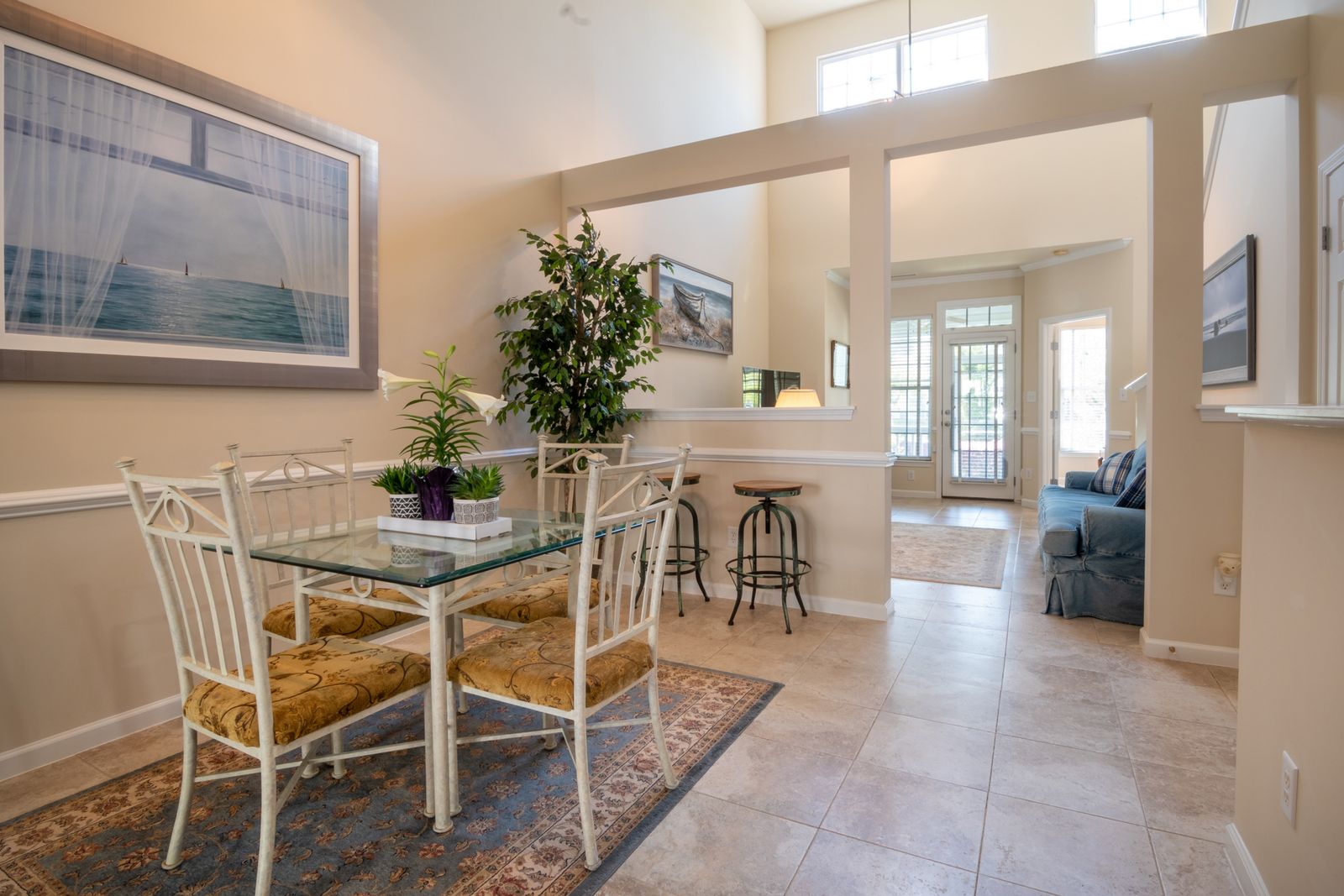
Here, preparation often matters more than calendar timing. A condo with excellent staging, strong natural light, and transparent building information can outperform a better-timed listing that feels incomplete.
The Florida Factors Sellers Should Not Ignore
Many articles reduce timing to a simple month-by-month rule. That is not enough for a serious seller.
Hurricane season affects buyer psychology
Even when storms are not imminent, late summer and early fall can create hesitation, particularly for out-of-state buyers. Insurance questions become more prominent, and buyers may slow down while they evaluate risk and carrying costs.
This does not stop the market, but it can lengthen decision-making. Sellers listing during this period should expect buyers to ask harder questions and should be prepared with documentation, mitigation details, and a realistic pricing strategy.
Tax planning can move luxury buyers
In the higher-end segment, timing is often linked to broader financial planning. Some buyers want to secure a property before year-end. Others begin their search after evaluating business income, investment performance, or residency planning. That means luxury demand is often less predictable than the traditional advice suggests.
This is one reason broad national headlines can be misleading. Florida timing is local, and luxury timing is even more specific.
Presentation can beat seasonality
A home that is underprepared in March can lose to one that is market-ready in July. Professional photography, repairs, staging, landscaping, and a disciplined launch plan all shape outcome. Timing matters, but it is not a substitute for execution.
In our experience, sellers often focus first on the month they should list when the better question is whether the home will enter the market in a way that justifies its asking price.
How to Decide When to List Your Home
The right listing date should come from a combination of market conditions and property readiness.
Start with inventory. If several nearby homes are competing for the same buyer, your timing and pricing need to reflect that. If supply is limited and your home offers something rare, you may have more flexibility.
Then look at buyer behavior in your segment. Are homes similar to yours going under contract quickly, or are they sitting until there is a price adjustment? Days on market and pricing trends often reveal more than generalized seasonal advice.
Finally, assess your own timeline. If you are also buying, coordinating construction, or considering a cash-offer alternative, your best timing may not be the statistically busiest month. It may be the month that gives you the highest certainty and lowest disruption.
Pricing and Timing Work Together
A common mistake is assuming that listing during the "best" season allows room to overprice. In reality, high-activity periods can make pricing errors more visible. Buyers touring multiple homes in one weekend quickly recognize when a seller is out of step with the market.
The opposite can also happen. Sellers listing in a quieter period sometimes underprice out of fear, even when their property has scarcity value. This is where strategy matters. Timing creates opportunity, but pricing determines whether that opportunity converts into serious offers.
For luxury homes, this is even more pronounced. Buyers in the upper tiers are informed, patient, and willing to wait for alignment between quality and price. Strong presentation gets attention. Accurate positioning gets results.
So, When Is the Best Time?
If you want the clearest general answer, late winter through spring is often the best time to sell house Florida, especially in South Florida luxury markets where seasonal demand is a meaningful factor.
But the better answer is more practical: the best time is when qualified buyers are active, your competition is understood, your pricing is credible, and your home is fully prepared to make a first impression that holds up under scrutiny.
For some sellers, that is February. For others, it is June, September, or early November. The calendar matters, but it should never be the only reason you list or wait.
A well-timed sale is rarely about chasing a perfect month. It is about matching market timing with readiness, presentation, and a strategy built for the specific home you own. That is where better outcomes usually begin.
Categories
- All Blogs (531)
- Blog (350)
- Boca Raton (15)
- Boca Raton Market Reports (4)
- Buying Your Boca Raton Home (37)
- Buying Your Delray Beach Home (26)
- Knowing Boca Raton (16)
- Knowing Delray Beach (7)
- Luxury Real Estate (2)
- Market Report (7)
- Moving to Boca Raton (37)
- Moving to Delray Beach (27)
- Neighborhood (4)
- Selling your Boca Raton Home (17)
- Selling your Delray Beach Home (12)
Recent Posts