How to Sell Luxury Home Boca Raton Right

Sell Your Luxury Home Boca Raton
The biggest mistake sellers make when they sell luxury home Boca Raton is treating it like a standard listing with a higher price tag. Luxury buyers don't respond to average presentation, vague pricing, or marketing that casts a wide net. They respond to positioning, discretion, and clear proof that the home deserves their time.
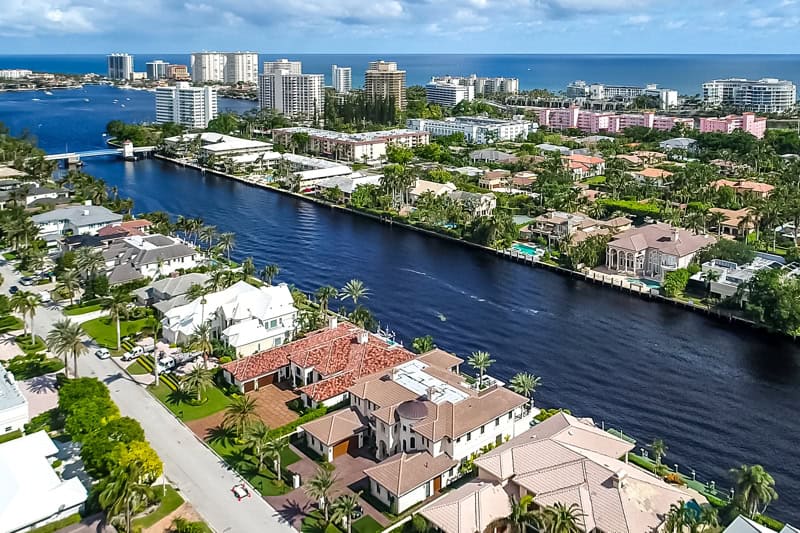
In Boca Raton, that gap matters more than most sellers expect. A waterfront estate in Royal Palm Yacht and Country Club, a custom-built residence in Old Floresta, and a refined condo in downtown Boca may all sit in the luxury tier, but each draws a different buyer, surfaces different objections, and behaves differently at the negotiating table. A strong sale starts with understanding exactly where your property fits and how the market will evaluate it against everything else available.
What it really takes to sell luxury home Boca Raton
At the high end, selling well isn't just about generating offers. It's about protecting your leverage from the day the property hits the market. That means pricing with discipline, preparing the home for a specific buyer profile, and launching with a marketing plan that builds credibility rather than just visibility.
Luxury buyers in Boca Raton are often comparing your home against more than nearby listings. They may be weighing it against properties in Highland Beach, Delray Beach, or Palm Beach, or against second-home markets in other states entirely. Some are local move-up buyers. Others are executives, entrepreneurs, or out-of-state owners who place a premium on time, privacy, and a polished process from start to finish. They notice details quickly, and they hesitate when a listing feels even slightly off.
That's why the process has to be deliberate. In this segment, a property can show beautifully and still miss the mark if the pricing strategy lacks credibility. It can be priced correctly and still underperform if the photos, staging, or pre-market preparation fail to communicate value clearly.
Pricing a luxury home is part data, part market judgment
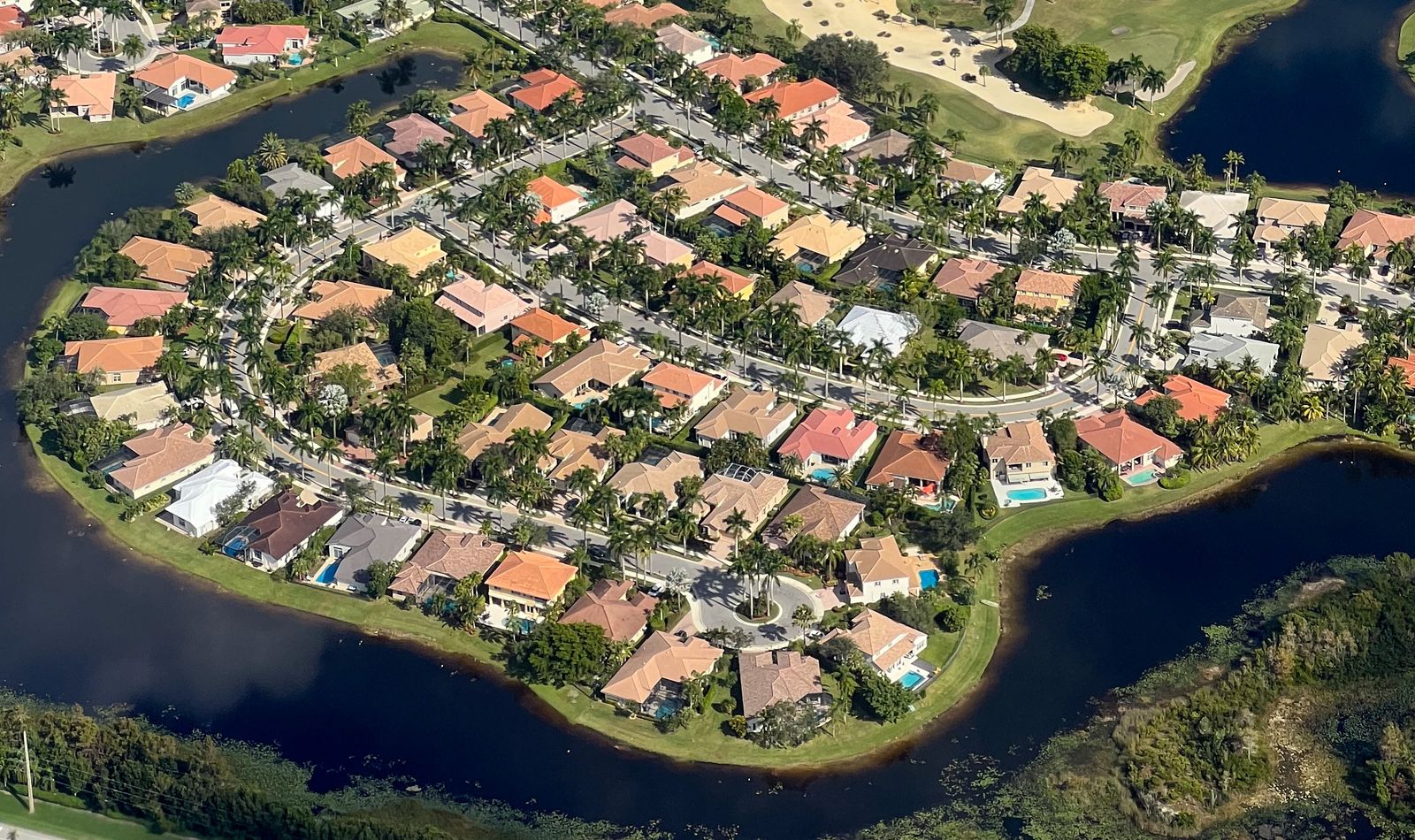
Pricing is where many luxury sales lose momentum. In Boca Raton, not every comparable sale carries equal weight. A home in a gated golf community can't always be cleanly measured against a non-HOA property in East Boca. A renovated waterfront home with current finishes shouldn't be benchmarked too closely against an older property that sold mainly on lot value. Even within the same neighborhood, buyer reaction can shift considerably based on architecture, condition, view, privacy, and the quality of the renovation.
Price per square foot is useful, but it's never the whole picture. It offers a starting point. But luxury buyers rarely purchase by formula. They buy based on emotional pull backed by logic. If your home presents as one of the best options in its category, qualified buyers will sometimes stretch. If they sense compromise or misalignment between price and condition, they tend to discount aggressively rather than walk away.
A sound pricing strategy accounts for recent sold data, current competition, showing velocity in the market, and how your home registers both online and in person. It also accounts for timing. When inventory is thin in your niche, there may be room to price assertively. When several similar homes are competing for the same pool of buyers, precision matters more than optimism.
Presentation matters because luxury buyers expect clarity
The luxury market rewards homes that feel complete. That doesn't always mean a major renovation before listing. It does mean the home should look intentional, well maintained, and consistent with the expectations of the most likely buyer.
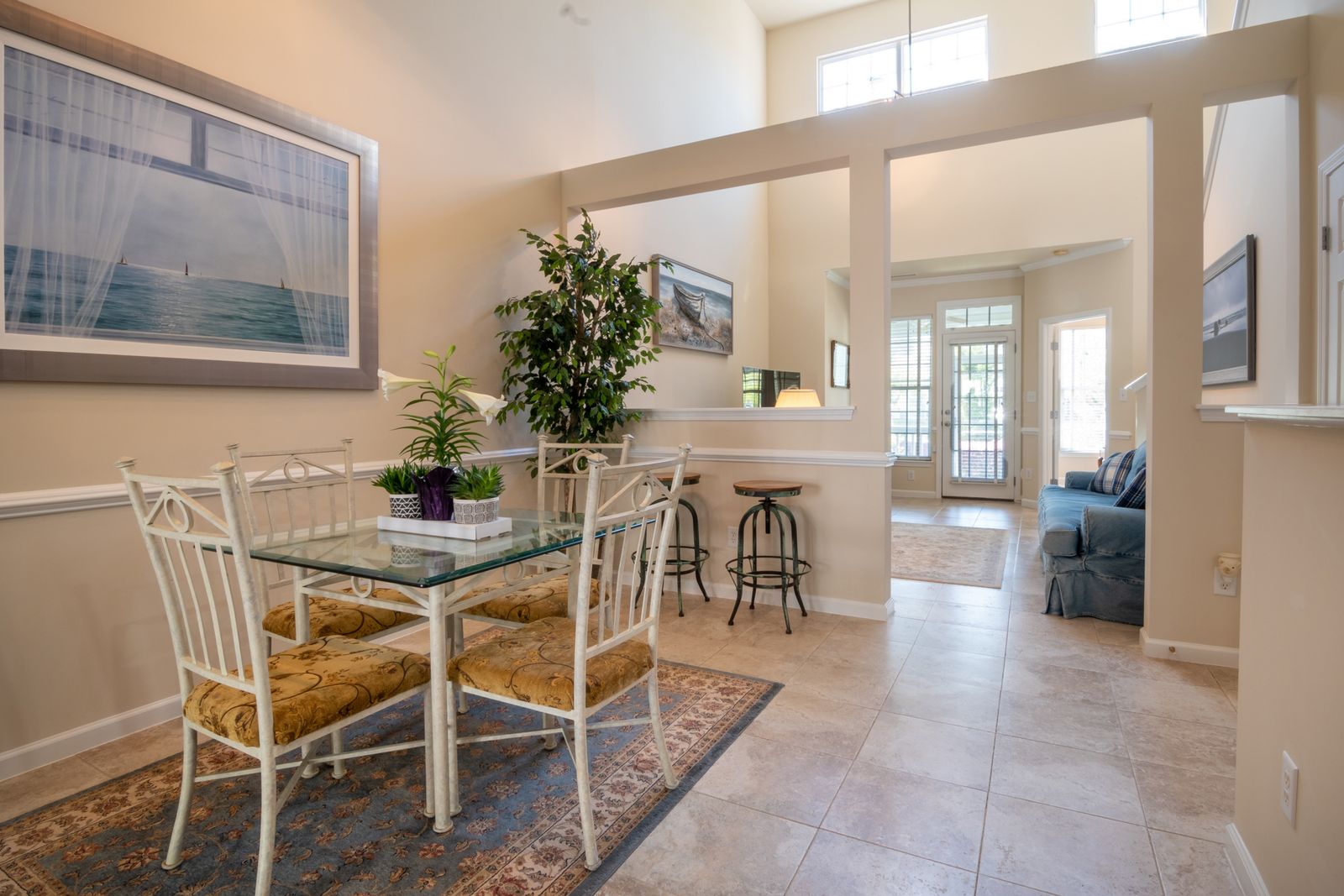
For some properties, that involves light cosmetic work: fresh paint, updated fixtures, refined landscaping, and a deep investment in photography and staging. For others, particularly larger estates or older custom homes, the conversation is more nuanced. If a property has dated finishes but exceptional bones, the right strategy often centers on showcasing scale, lot quality, architecture, and upside potential, without overinvesting in upgrades the next owner may replace.
This is where sellers benefit from honest input, not reassurance. Not every dollar spent before market comes back at closing. Some improvements reduce buyer objections and create urgency. Others make the seller feel more confident without changing what buyers do. The right approach depends on the property, the likely buyer, and what else is competing for that buyer's attention.
The goal is not perfection
The goal is confidence. Buyers should understand what the home is, who it's for, and why the price makes sense. Confusion produces lower offers. Confidence supports them.
Marketing luxury property requires more than listing exposure
High-end homes need more than syndication and attractive photography. Strong luxury marketing builds a consistent narrative across every touchpoint. It makes the property feel desirable, credible, and distinct from everything else at that price.
That starts with visuals. Professional photography is expected. Video often matters, particularly for waterfront estates, architectural homes, and properties where indoor-outdoor living is a central feature. Floor plans, well-crafted property copy, and targeted digital campaigns give buyers a clear picture of the home before they ever schedule a showing.
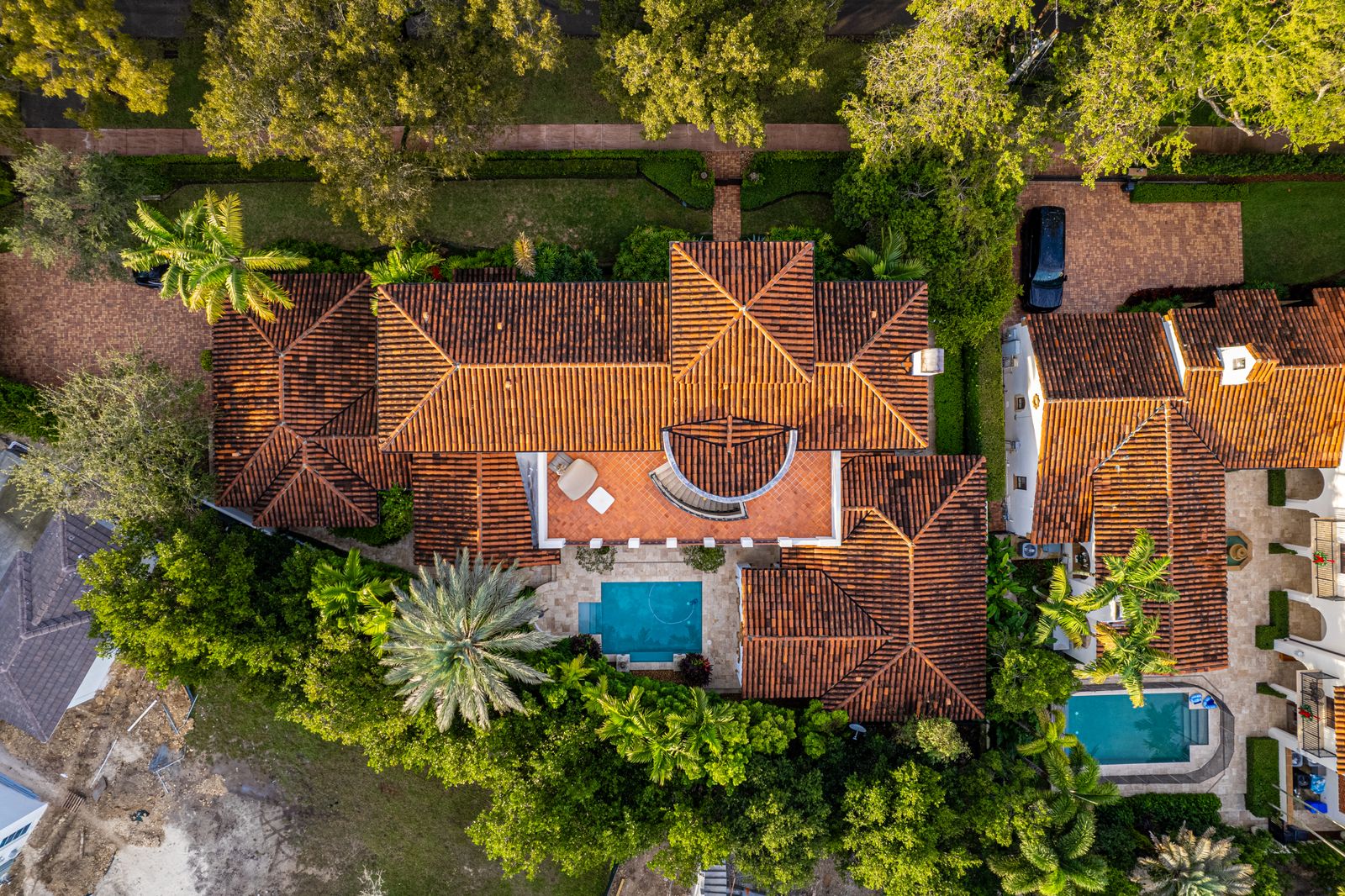
Equally important, the marketing approach should reflect the specific property. A country club residence, a downtown condo, and a deepwater estate don't share the same buyer motivations and shouldn't be marketed identically. Condo buyers often prioritize views, building services, lock-and-leave convenience, and the reputation of the building itself. Estate buyers tend to focus on privacy, dockage, ceiling height, outdoor entertaining space, and long-term value. The campaign should speak to whoever is most likely to write the check.
The strongest efforts combine broad reach with selective targeting. Reach creates visibility. Targeting reaches the buyers most likely to recognize and pay for what makes the property worth its price. When both are executed well, the result isn't just more inquiries. It's better-quality inquiries and a stronger position when offers arrive.
Timing can help, but strategy matters more
Sellers often ask when the best time is to list. The honest answer is that timing helps, but execution matters more. Boca Raton luxury real estate follows seasonal patterns, especially around second-home activity, but a home that's correctly priced and well prepared can perform across multiple market windows.
What matters more is whether the property is genuinely ready when it launches. Incomplete landscaping, visible deferred maintenance, or a marketing package that looks rushed can each cost you leverage on day one. First impressions carry weight in this segment. Once a property starts to feel stale, recovering pricing power is a slow and frustrating process.
There are situations where sellers prioritize speed, privacy, or certainty over maximizing the final number. In those cases, other paths may be worth exploring: off-market outreach, a cash offer review, or a structured sale program built to reduce disruption. The right approach follows your goals, not the calendar.
Negotiation is where pricing strategy pays off
Luxury negotiation rarely comes down to the headline price alone. Closing timeline, contingencies, furnishing requests, inspection credits, appraisal risk, and the buyer's financial strength all shape the real outcome.
A strong listing strategy gives you options. When the home is well positioned from day one, you're less likely to negotiate from a weak position. Buyers can sense the difference between a seller anchored in data and process versus one who priced high on hope and is now working backward.
That distinction matters most when offers arrive below expectations. Sometimes a low initial offer is a starting position from a serious buyer who will move meaningfully. Other times, it reflects a market objection worth hearing. Knowing the difference requires local experience, transaction history, and clear-headed communication under pressure.
The job of a good advisor is to protect both value and momentum. Pushing too hard can lose a legitimate buyer. Giving ground too quickly leaves money behind. In the luxury tier, these subtle calls often have six-figure consequences.
Sellers should think beyond the list price
The best outcome isn't always the highest contract number. It's the strongest net result with the least unnecessary friction.
That means accounting for carrying costs, days on market, the likelihood of post-inspection renegotiation, and how your home stacks up against what's coming to market in the next 60 days. It also means being realistic about buyer expectations at your price point. A buyer at $2 million and a buyer at $6 million may each be exacting, but what they're focused on tends to differ. One weighs value relative to recent comparable sales. The other cares more about rarity, finish quality, and whether the home is truly ready to move into.
When sellers approach the process with that kind of clarity, decisions get easier. Pricing gets sharper. Preparation becomes more targeted. And negotiation becomes less emotional.
For luxury homeowners who want both structure and skilled representation, that's where an experienced team earns its place. The Alex Mendel Group works high-end sales with a combination of market data, presentation strategy, and targeted exposure built to protect value while keeping the process controlled.
If you're preparing to sell, the right first step isn't picking a number or rushing to market. It's understanding how your home will compete, what buyers will notice first, and which approach gives you the best shot at the outcome you actually want.
Categories
- All Blogs (528)
- Blog (350)
- Boca Raton (12)
- Boca Raton Market Reports (4)
- Buying Your Boca Raton Home (37)
- Buying Your Delray Beach Home (26)
- Knowing Boca Raton (16)
- Knowing Delray Beach (7)
- Luxury Real Estate (2)
- Market Report (5)
- Moving to Boca Raton (37)
- Moving to Delray Beach (27)
- Neighborhood (2)
- Selling your Boca Raton Home (17)
- Selling your Delray Beach Home (12)
Recent Posts