Relocating to South Florida Guide for Luxury Buyers

A smart relocating to South Florida guide starts with one truth: this move is less about getting to Florida and more about choosing the right version of South Florida for the way you actually want to live. For luxury buyers, the biggest mistakes usually happen before the home search begins - when lifestyle goals, carrying costs, and location trade-offs have not been defined clearly.
South Florida can look simple from the outside. Warm weather, water, tax advantages, and a long list of attractive communities. But once you narrow your search to luxury homes, the market becomes far more specific. Waterfront and non-waterfront properties behave differently. Country club communities appeal to a different buyer than downtown condo buildings. East Boca, Delray Beach, Highland Beach, and select parts of Broward County may be close on a map, but they deliver very different daily experiences.
Relocating to South Florida Guide: Start With Lifestyle, Not Listings
Many buyers begin by browsing homes and only later ask whether the location fits their routines. That order should be reversed. If you split time between states, entertain often, work remotely, keep a boat, or want a lock-and-leave condo, your ideal property type changes immediately.
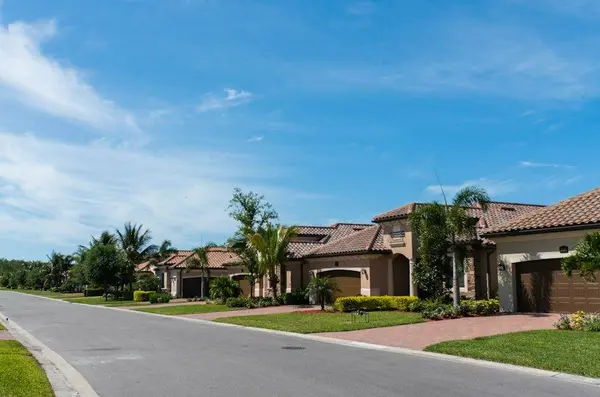
A waterfront estate may offer privacy, views, and dockage, but it also brings higher maintenance, insurance complexity, and storm-prep considerations. A gated community can provide strong amenities, newer construction, and a more structured environment, but it may come with HOA rules that do not suit every owner. Downtown luxury condos can reduce maintenance and place you closer to restaurants and culture, yet monthly fees, pet policies, and reserve requirements deserve careful review.
This is where relocation decisions become expensive or efficient. A buyer focused on image alone may overbuy in the wrong setting. A buyer focused on total lifestyle fit usually makes a better long-term decision.
Understand the Real Cost of Ownership
Purchase price is only the opening number. In South Florida luxury real estate, the ongoing cost structure matters just as much as the negotiated sale price.
Insurance is often the first surprise for out-of-state buyers. Premiums can vary significantly based on age of roof, construction type, shutters or impact glass, elevation, waterfront exposure, and prior updates. Two homes at the same price point can carry very different annual costs.
Property taxes also require context. If a seller has owned a home for years, their tax bill may not reflect what a new owner will pay after reassessment. Condo ownership adds another layer, since monthly dues may include staffing, amenities, reserves, and building maintenance, but those fees should always be weighed against what they replace in a single-family setting.
The practical question is not just, "Can I afford this home?" It is, "Does this home make sense once taxes, insurance, maintenance, staffing, dues, and future capital projects are added to the picture?" Buyers who run that analysis early tend to negotiate more confidently and avoid buyer's remorse later.
Choosing the Right Area Within South Florida
South Florida is not one market. It is a collection of highly localized submarkets, each with its own pace, architecture, inventory profile, and ownership experience.
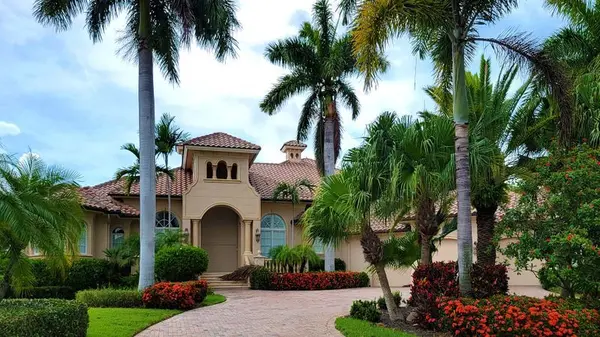
Boca Raton often attracts buyers who want a polished luxury market with a wide range of options, from established East Boca neighborhoods with character and larger lots to newer gated communities in West Boca and high-end condo living downtown. Delray Beach tends to appeal to buyers who want energy, design-forward homes, and a stronger connection to the Atlantic Avenue lifestyle, while still having access to private club and estate settings. Highland Beach is more limited in inventory and particularly compelling for buyers prioritizing direct waterfront or oceanfront living in a more contained coastal environment.
In Broward County markets such as Lighthouse Point or Parkland, the decision set changes again. One may offer a stronger boating orientation, while another may appeal more to buyers seeking larger residential footprints inland. None of these are universally better. It depends on whether your version of luxury means dockage, privacy, new construction, club amenities, downtown access, or lower-maintenance ownership.
The Housing Stock Is More Varied Than Most Buyers Expect
One of the biggest misconceptions in a relocating to South Florida guide is that newer automatically means better. In reality, many luxury buyers are deciding between very different forms of value.
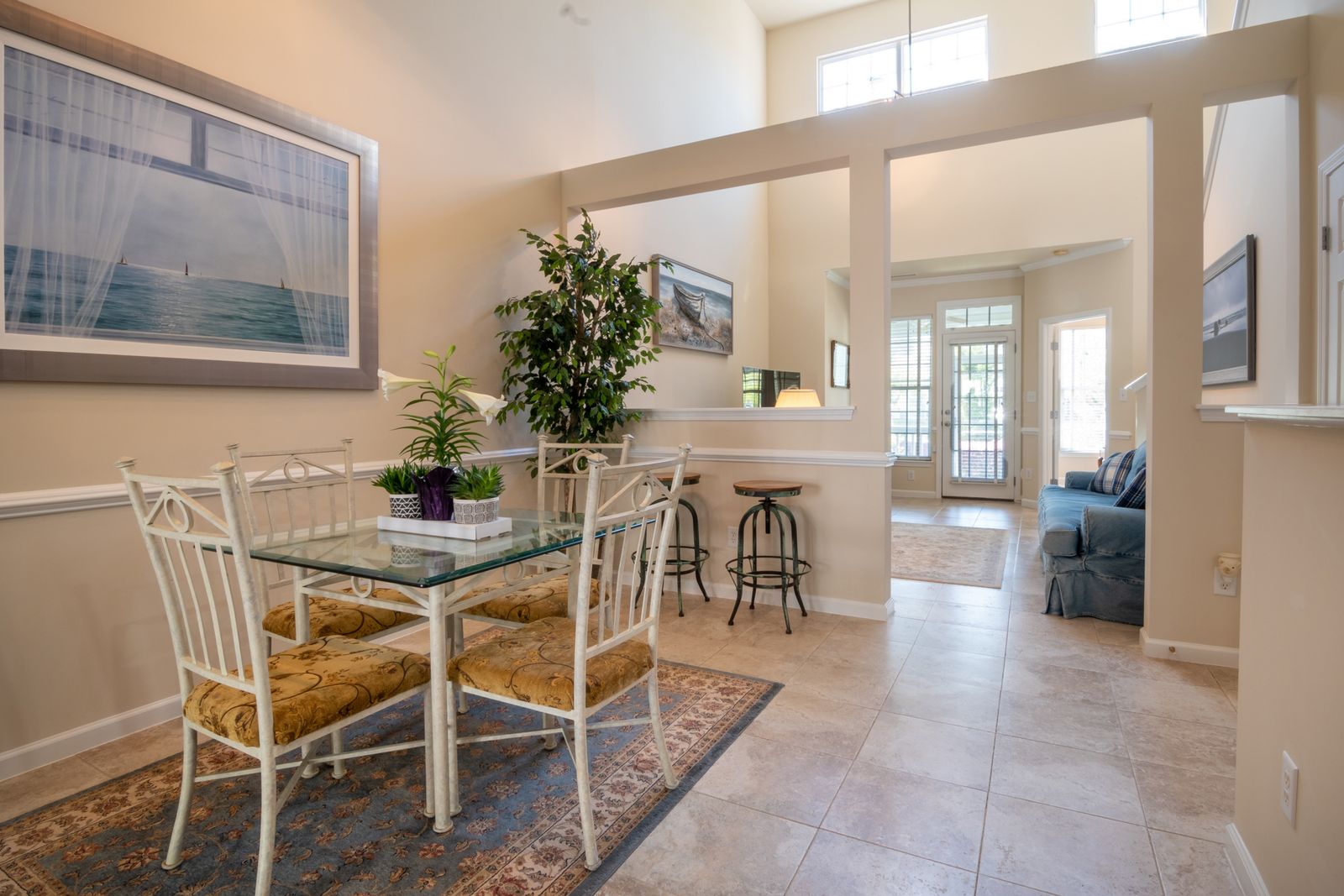
Newer construction often brings open floor plans, higher ceilings, current design preferences, and lower near-term maintenance. That can be attractive, especially for second-home owners or buyers who want minimal renovation work. But older, well-located homes in established neighborhoods can offer larger lots, mature landscaping, architectural individuality, and proximity that is difficult to replicate.
The trade-off is straightforward. A newer home may deliver convenience but less land or less distinctive setting. An older home in a prime location may offer better long-term desirability but require updates, more due diligence, or a more patient ownership approach. Sophisticated buyers rarely look at age alone. They look at replacement cost, renovation potential, resale strength, and how hard that location would be to duplicate in five years.
Timing Matters, but Not in the Way Headlines Suggest
Most relocation buyers ask whether they should wait. The better question is what they are waiting for.
In luxury markets, especially in highly desirable South Florida enclaves, the best properties are not always abundant, even when broader inventory appears to improve. If your purchase depends on a specific school district, private dock, club setting, ocean view corridor, or architectural style, your search may still be constrained. Waiting only helps if the future inventory is likely to improve your specific options, not just the market in general.
That said, patience can be valuable when your criteria are still too broad. If you have not yet decided between condo and single-family ownership, or between a seasonal retreat and a primary residence, time spent refining the brief is rarely wasted. Good timing is less about predicting the market and more about knowing exactly what would justify a move.
Build Your Search Around Friction Points
Relocation searches move faster when buyers identify the details that create friction after closing. These details are not always obvious at first glance.
For some buyers, the issue is commute convenience when splitting time between office, airport, and residence. For others, it is whether the home can accommodate staff, multiple vehicles, a boat, visiting guests, or long stretches of vacancy during the year. Condo buyers should look carefully at service levels, assessment history, reserves, renovation rules, and pet restrictions. Single-family buyers should pay attention to lot drainage, seawall conditions where relevant, roof age, and the quality of prior renovations.
The goal is not to overcomplicate the move. It is to identify what could quietly become an ownership irritant later. Luxury real estate performs best when the asset and the lifestyle align cleanly.
Use a Data-Led Process, Not a Vacation Mindset
South Florida is easy to romanticize, especially during a short visit. That is exactly why a disciplined purchase process matters.
A productive relocation plan usually starts with a narrowed geographic focus, then moves into side-by-side comparison of ownership costs, property condition, community rules, and resale dynamics. Showing tours should test assumptions, not just confirm attraction. The right advisor helps you compare unlike properties on equal footing: waterfront versus interior lot, condo dues versus single-family maintenance, club membership costs versus non-club flexibility, new build premium versus established-location advantage.
For luxury buyers, process creates leverage. It helps you move quickly when the right opportunity appears and remain selective when a property is simply close, not right.
Relocating Well Means Buying With the Exit in Mind
Even if you expect to keep the property for years, resale should still matter on day one. The strongest luxury purchases usually combine personal fit with enduring buyer appeal.
That may mean choosing a better lot over a trendier interior finish, or selecting a location with consistent demand over a home that feels impressive but harder to position later. It may also mean understanding which improvements are cosmetic and which truly affect value in the local market. Smart buyers do not purchase only for today. They purchase with a clear sense of liquidity, market depth, and future buyer demand.
At The Alex Mendel Group, we see the strongest relocation outcomes when buyers approach South Florida as both a lifestyle decision and a capital decision. Those two goals can align very well here, but only when the search is grounded in the realities of ownership, not just the appeal of arrival.
If you are planning a move, the most useful first step is not touring more homes. It is getting clearer on the version of South Florida that fits your time, priorities, and standards of ownership best. Once that is defined, the right home tends to become easier to recognize.
Categories
- All Blogs (533)
- Blog (350)
- Boca Raton (17)
- Boca Raton Market Reports (4)
- Buying Your Boca Raton Home (37)
- Buying Your Delray Beach Home (26)
- Knowing Boca Raton (16)
- Knowing Delray Beach (7)
- Luxury Real Estate (2)
- Market Report (8)
- Moving to Boca Raton (37)
- Moving to Delray Beach (27)
- Neighborhood (5)
- Selling your Boca Raton Home (17)
- Selling your Delray Beach Home (12)
Recent Posts